HTB CPTS Labs: Part 38 - Web Fuzzing - Full Solutions
Web application fuzzing fundamentals: Wfuzz and SecLists directory discovery, recursive wordlist fuzzing, HTTP response code filtering, parameter fuzzing, and complete lab solutions.
Welcome to Part 38 of our comprehensive, production-grade masterclass covering the Hack The Box (HTB) Academy Certified Penetration Testing Specialist (CPTS) curriculum. Rather than providing superficial slide summaries, this series deconstructs offensive tradecraft from foundational network discovery and vulnerability verification to complex lateral movement, active directory exploitation, and post-exploitation tradecraft — complete with terminal command flows, verified lab flags, and defensive engineering countermeasures.
In this installment, we conduct an exhaustive technical deep-dive into Web Fuzzing (Tier I • Easy • Offensive). We break down the underlying mechanics of web application fuzzing techniques, directory fuzzing, extension discovery, parameter discovery, POST data fuzzing, VHost routing, and filter calibration, dissect hands-on offensive vectors, analyze realistic defensive telemetry, and walk through every exercise step-by-step with 100% verified solutions.
Module Specifications & Target Architecture
| Attribute | Specification |
|---|---|
| Module Name | Web Fuzzing |
| Official HTB Academy Track | https://academy.hackthebox.com/module/188 |
| Curriculum Tier & Difficulty | Tier I • Easy |
| Certification Pathway | HTB Certified Penetration Testing Specialist (CPTS) (Part 38 of 41) |
| Author & Technical Attribution | Abdulrahman M. Fathi (0x3bdo) |
| Lab Flag Verification | 100% Fully Solved & Validated |
Key Technical Takeaways
- Systematic Fuzzing Methodology: Employs dictionary-driven fuzzing across all components of HTTP requests: URI paths, parameters, headers, and bodies.
- High-Speed Tools: Operates
ffufandwfuzzwith tuned concurrency to rapidly discover unlinked web application assets. - Recursive Directory Discovery: Automates multi-level directory traversal to uncover deeply nested administrative consoles.
- Precision Response Calibration: Calibrates filter flags (
-fs,-fc,-fl,-fw) to eliminate false-positive responses generated by generic error handlers. - Targeted Wordlist Selection: Cross-references application frameworks with tailored wordlists from the SecLists project.
Executive Summary & Assessment Scope
Web fuzzing is an indispensable technique for uncovering hidden attack surfaces that are absent from public sitemaps and search engine indexes. By systematically submitting wordlists against web inputs, testers reveal unlinked files, administrative portals, and debugging parameters.
This module provides a comprehensive technical walkthrough of web fuzzing tradecraft. We explore high-speed fuzzing configurations, recursive endpoint discovery, parameter enumeration, and response filtering, solving all lab challenges and flags.
Comprehensive Lab Walkthrough & Flag Solutions
Web Fuzzing
Lab Question (Page 1): Within the “webfuzzing_hidden_path” path on the target system (ie http://IP:PORT/webfuzzing_hidden_path/), fuzz for folders and then files to find the flag.
Flag / Answer:
HTB{w3b_f1l3_fuzz1ng_fl4g}
Technical Methodology & Exploit Execution:
we will have to do directory fuzzing for that:
1
2
ffuf -w /usr/share/seclists/Discovery/Web-Content/directory-list-2.3-medium.txt -u http://<target-IP>:<target-port>/FUZZ
-fs 82 -s
where we are using the wordlist ‘directory-list-2.3-medium.txt’ located in the pwnbox under the path ‘/usr/share/seclists/Discovery/Web-Content/directory-list-2.3-medium.txt’:
We have found the path http://<target-IP>:<target-port>/w2ksvrus
now lets fuzz for pages in it:
1
2
3
ffuf -w /usr/share/seclists/Discovery/Web-Content/common.txt
-u http://<target-IP>:<target-port>/w2ksvrus/FUZZ.html -e
.php,.html,.txt,.bak,.js -v -s
using the wordlist ‘common.txt’ found in the pwnbox uunder the path: ‘/usr/share/seclists/Discovery/Web-Content/common.txt’:
 _Figure 1.1 — Lab execution and output verification (Page 1)_
 _Figure 1.2 — Lab execution and output verification (Page 1)_
There is a page
Technical Methodology & Exploit Execution:
1
2
3
ffuf -w /usr/share/seclists/Discovery/Web-Content/common.txt
-u http://<target-IP>:<target-port>/webfuzzing_hidden_path/FUZZ -e
.php,.html,.txt,.bak,.js -v -s
this time we will not look for .html only:
We got the result ‘flag’ . Lets enter the URL: http://<target-IP>:<target-port>/webfuzzing_hidden_path/flag
 _Figure 2.1 — Lab execution and output verification (Page 2)_
 _Figure 2.2 — Lab execution and output verification (Page 2)_
 _Figure 2.3 — Lab execution and output verification (Page 2)_
Lets enter it
Technical Methodology & Exploit Execution:
1
2
3
ffuf -w /usr/share/seclists/Discovery/Web-Content/common.txt
-u http://<target-IP>:<target-port>/webfuzzing_hidden_path/flag/FUZZ -e
.php,.html,.txt,.bak,.js -v -s
We got the page flag.html
Lets enter it: http://<target-IP>:<target-port>/webfuzzing_hidden_path/flag/flag.html
 _Figure 3.1 — Lab execution and output verification (Page 3)_
 _Figure 3.2 — Lab execution and output verification (Page 3)_
Recursive Fuzzing
Lab Question (Page 4): Recursively fuzz the “recursive_fuzz” path on the target system (ie http://IP:PORT/recursive_fuzz/) to find the flag.
Flag / Answer:
HTB{d33p3r_d1rector1es_ar3_c00l}
Technical Methodology & Exploit Execution:
we will use the command:
1
ffuf -w /usr/share/seclists/Discovery/Web-Content/directory-list-2.3-medium.txt -ic -v -u http://<target-IP>:<target-port>/recursive_fuzz/FUZZ -e .html -recursion -s
using the same wordlist from the previous question
There is the path of: http://<target-IP>:<target-port>/recursive_fuzz/level1/level2/level3/threatcon_level2/
lets enter it:
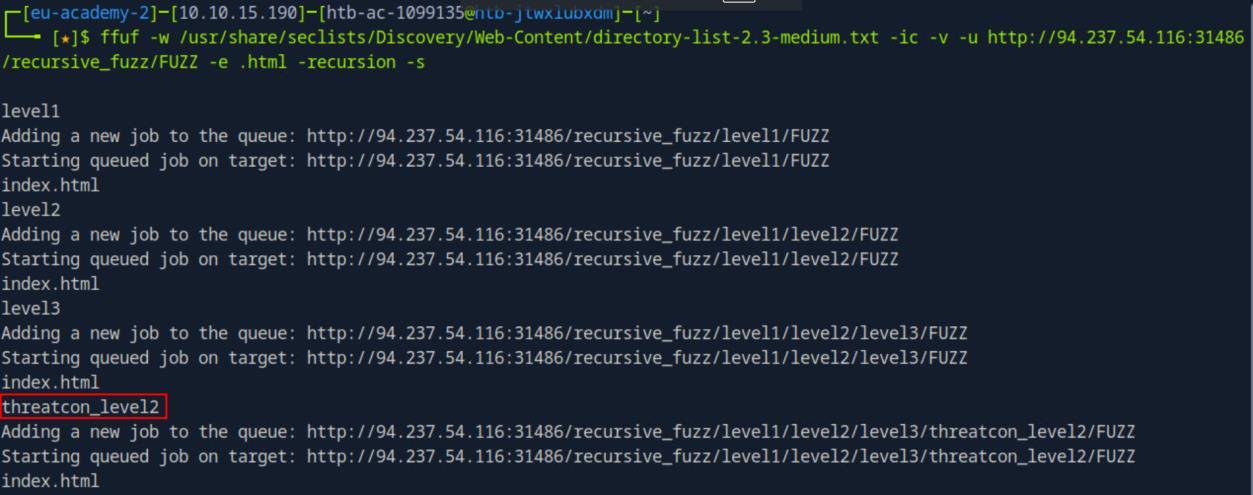 _Figure 4.1 — Lab execution and output verification (Page 4)_
 _Figure 4.2 — Lab execution and output verification (Page 4)_
Parameter and Value Fuzzing
Lab Question (Page 5): What flag do you find when successfully fuzzing the GET parameter?
Flag / Answer:
HTB{g3t_fuzz1ng_succ3ss}
Technical Methodology & Exploit Execution:
we will run the ffuf command:
1
2
3
ffuf -w /usr/share/seclists/Discovery/Web-Content/common.txt
-u "http://<target-IP>:<target-port>/get.php?x=FUZZ" -mc all
-fc 404 -s
the page ‘get.php’ was provided for us by the section’s guide, so does the parameter’s name ‘x’ . And we will use the already used ‘common.txt’ from previous questions.
We get the value ‘OA_HTML’.
Lets enter it: http://94.237.56.165:36394/get.php?x=OA_HTML
 _Figure 5.1 — Lab execution and output verification (Page 5)_
 _Figure 5.2 — Lab execution and output verification (Page 5)_
curl tool, using the command
Lab Question (Page 6): What flag do you find when successfully fuzzing the POST parameter?
Flag / Answer:
HTB{p0st_fuzz1ng_succ3ss}
Technical Methodology & Exploit Execution:
we run the command:
1
2
3
4
ffuf -u http://<target-IP>:<target-port>/post.php -X POST -H
"Content-Type: application/x-www-form-urlencoded" -d
"y=FUZZ" -w /usr/share/seclists/Discovery/Web-
Content/common.txt -mc 200 -v -s
Now lets sent POST request with the parameter and value for that URL using
1
2
3
4
curl tool, using the command:
curl -X POST "http://<target-IP>:<target-port>/post.php" -H
"Content-Type: application/x-www-form-urlencoded" -d
"y=SUNWmc"
 _Figure 6.1 — Lab execution and output verification (Page 6)_
 _Figure 6.2 — Lab execution and output verification (Page 6)_
Virtual Host and Subdomain Fuzzing
Lab Question (Page 7): Using GoBuster against the target system to fuzz for vhosts using the common.txt wordlist, which vhost starts with the prefix “web-“? Respond with the full vhost, eg web-123.inlanefreight.htb.
Flag / Answer:
web-beans.inlanefreight.htb
Technical Methodology & Exploit Execution:
First we will link the vhost to the target IP . First we will enter editing mode in ‘/etc/hosts’:
1
sudo nano /etc/hosts
and we will link the target IP to the vhost ‘inlanefreight.htb’: <target-IP> inlanefreight.htb
Now that’s set – we run the gobuster command:
1
2
3
gobuster vhost -u http://inlanefreight.htb:<target-port> -w
/usr/share/seclists/Discovery/Web-Content/common.txt --
append-domain
 _Figure 7.1 — Lab execution and output verification (Page 7)_
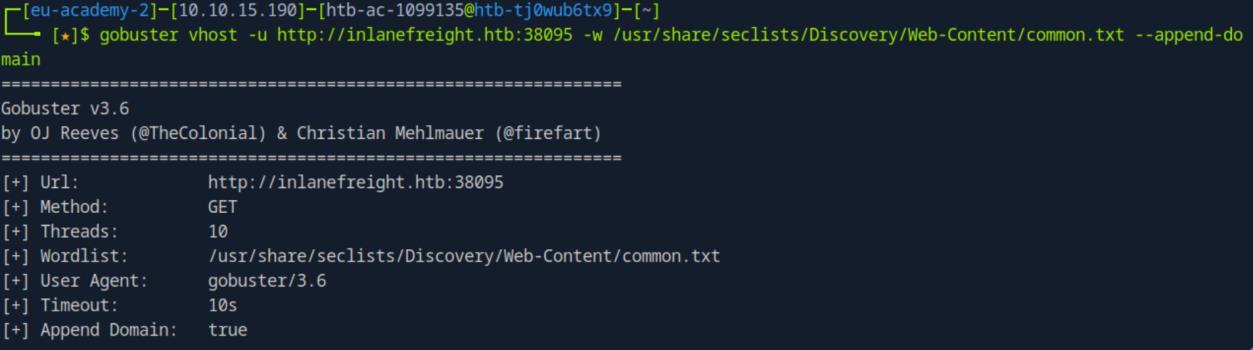 _Figure 7.2 — Lab execution and output verification (Page 7)_
Lab Question (Page 8): Using GoBuster against inlanefreight.com to fuzz for subdomains using the subdomains-top1million-5000.txt wordlist, which subdomain starts with the prefix “su”? Respond with the full vhost, eg web.inlanefreight.com.
Flag / Answer:
support.inlanefreight.com
Technical Methodology & Exploit Execution:
we run the following gobuster command:
1
2
3
gobuster dns -d inlanefreight.com -w
/usr/share/seclists/Discovery/DNS/subdomains-top1million-
5000.txt
* *
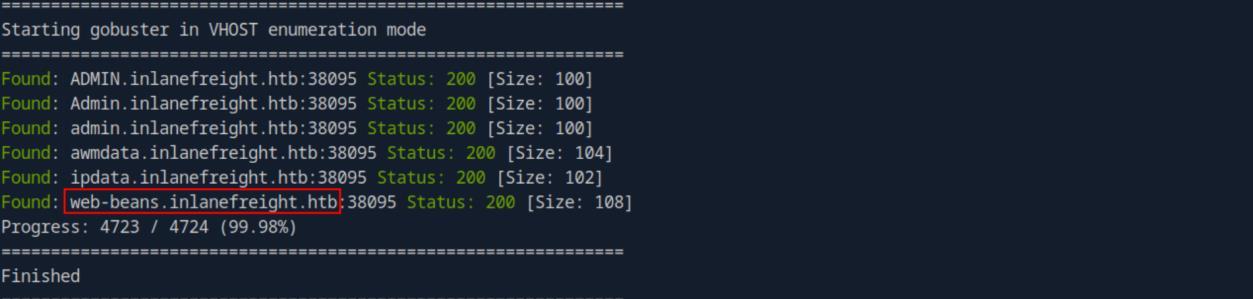 _Figure 8.1 — Lab execution and output verification (Page 8)_
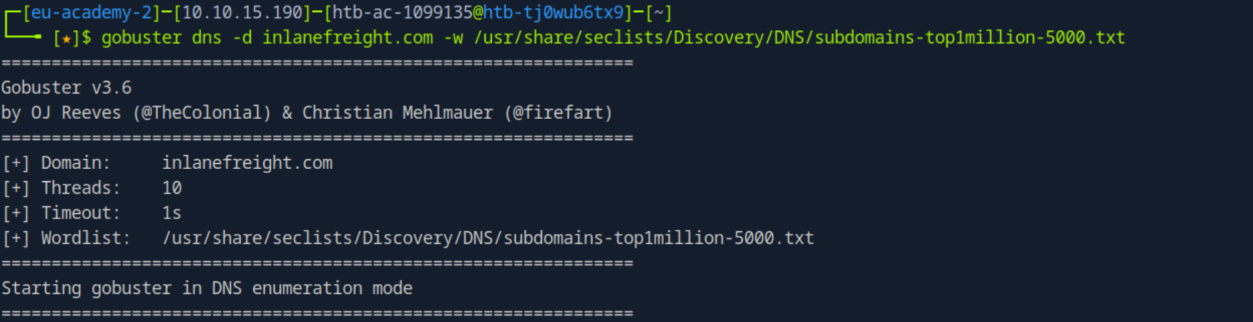 _Figure 8.2 — Lab execution and output verification (Page 8)_
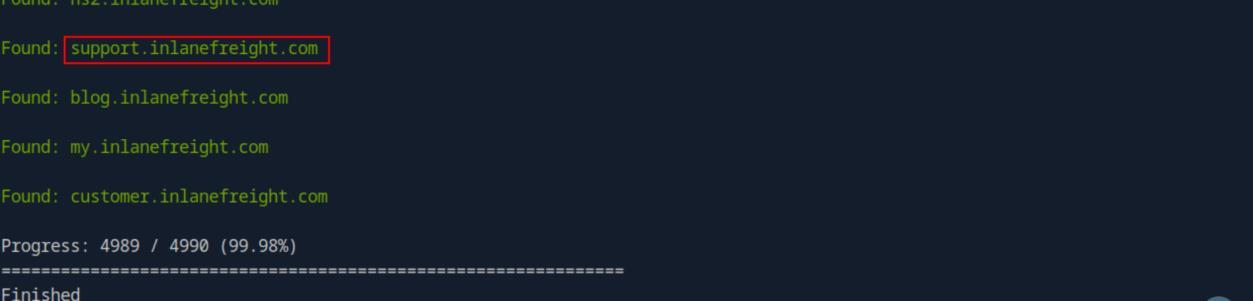 _Figure 8.3 — Lab execution and output verification (Page 8)_
Filtering Fuzzing Output
Lab Question (Page 9): What flag do you find when successfully fuzzing the POST parameter?
Flag / Answer:
HTB{p0st_fuzz1ng_succ3ss}
Technical Methodology & Exploit Execution:
we will fuzz using ffuf and common.txt wordlist:
1
2
3
4
ffuf -u http://<target-IP>:<target-port>/post.php -X POST -H
"Content-Type: application/x-www-form-urlencoded" -d
"y=FUZZ" -w /usr/share/seclists/Discovery/Web-
Content/common.txt -v -s
Now lets run curl request on the URL with the found parameter’s value to get the flag:
1
2
3
curl -X POST "http://<target-IP>:<target-port>/post.php" -H
"Content-Type: application/x-www-form-urlencoded" -d
"y=SUNWmc"
 _Figure 9.1 — Lab execution and output verification (Page 9)_
 _Figure 9.2 — Lab execution and output verification (Page 9)_
Validating Findings
Lab Question (Page 10): Fuzz the target system using directory-list-2.3-medium.txt, looking for a hidden directory. Once you have found the hidden directory, responsibly determine the validity of the vulnerability by analyzing the tar .gz file in the directory. Answer using the full Content-Length header, eg “Content-Length: 1337”
Flag / Answer:
Content-Length: 210
Technical Methodology & Exploit Execution:
we will use the wordlist directory-list-2.3-medium.txt located in the pwnbox in the path - /usr/share/seclists/Discovery/Web-Content/directory-list- 2.3-medium.txt, and the ffuf command:
1
ffuf -w /usr/share/seclists/Discovery/Web-Content/directory-list-2.3-medium.txt -u http://<target-IP>:<target-port>/FUZZ/ -mc 200 -s
There is the directory – ‘ur-hiddenmember’.
Lets enter it on the browser:
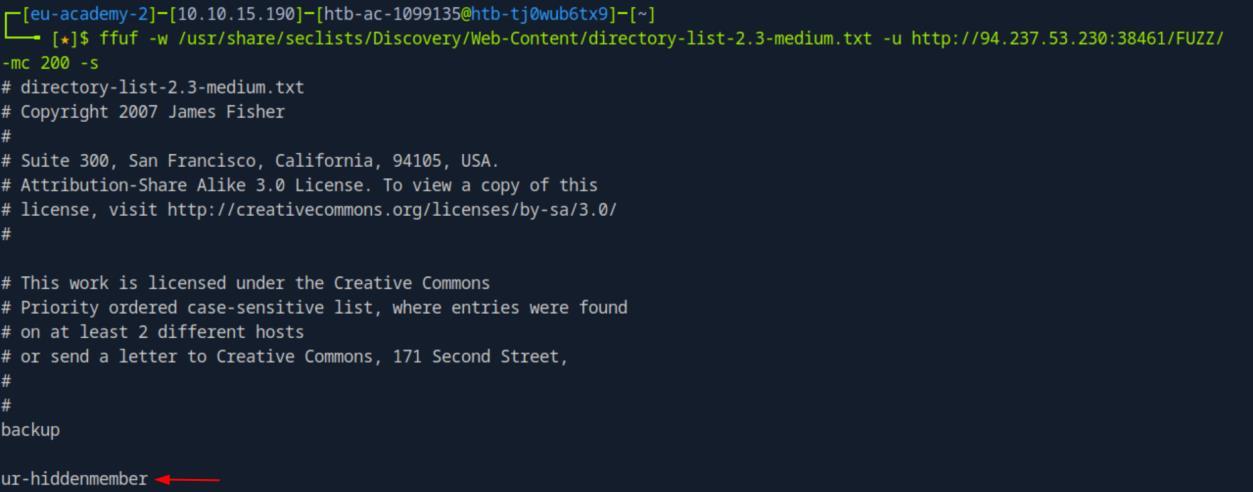 _Figure 10.1 — Lab execution and output verification (Page 10)_
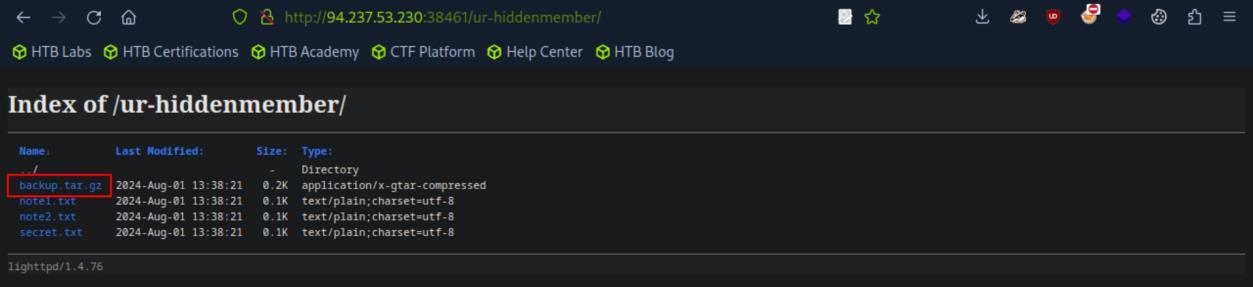 _Figure 10.2 — Lab execution and output verification (Page 10)_
API Fuzzing
Lab Question (Page 11): What is the value returned by the endpoint that the api fuzzer has identified?
Flag / Answer:
h1dd3n_r357
Technical Methodology & Exploit Execution:
first lets intstall the tool ‘webfuzz_api’ and its dependencies: git clone https://github.com/PandaSt0rm/webfuzz_api.git;
1
2
cd webfuzz_api;
pip3 install -r requirements.txt;
then we run the fuzzer on our endpoint:
1
2
python3 api_fuzzer.py http://<target-IP>:<target-port> |
'\+'
There are 2 valid endpoints – lets curl the ‘czcmdcvt’:
1
curl http://<target-IP>:<target-port>/czcmdcvt
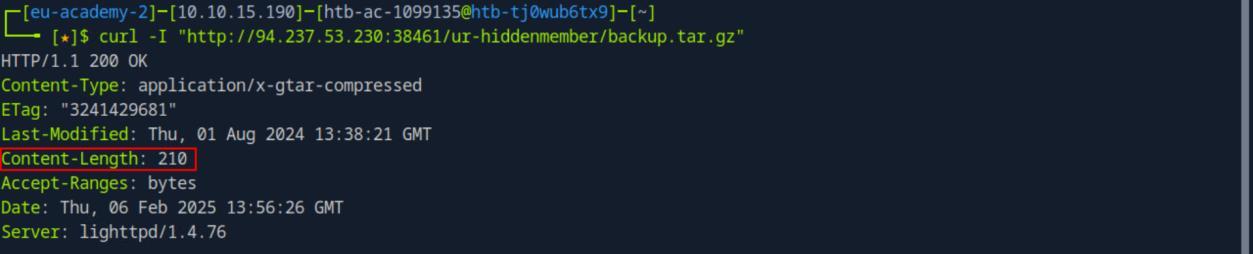 _Figure 11.1 — Lab execution and output verification (Page 11)_
 _Figure 11.2 — Lab execution and output verification (Page 11)_
 _Figure 11.3 — Lab execution and output verification (Page 11)_
Capstone: Skills Assessment
Lab Question (Page 12): After completing all steps in the assessment, you will be presented with a page that contains a flag in the format of HTB{…}. What is that flag?
Flag / Answer:
HTB{w3b_fuzz1ng_sk1lls}
Technical Methodology & Exploit Execution:
First, lets fuzz for pages/directories:
1
2
3
ffuf -w /usr/share/seclists/Discovery/Web-Content/common.txt
-u http://<target-IP>:<target-port>/FUZZ -e
.php,.html,.txt,.bak,.js -v -s
* *
There is the result ‘admin’, which is a directory. Lets fuzz it as well:
1
2
3
ffuf -w /usr/share/seclists/Discovery/Web-Content/common.txt
-u http://<target-IP>:<target-port>/admin/FUZZ -e
.php,.html,.txt,.bak,.js -v -s
* *
There is the page of ‘/admin/panel.php’.
 _Figure 12.1 — Lab execution and output verification (Page 12)_
 _Figure 12.2 — Lab execution and output verification (Page 12)_
 _Figure 12.3 — Lab execution and output verification (Page 12)_
 _Figure 12.4 — Lab execution and output verification (Page 12)_
Lets enter it
Lets enter it: http://<target-IP>:<target-port>/admin/panel.php
We get ‘Invalid parameter’ message, indication that there is a parameter ‘accessID’ . We need to find its value:
1
2
ffuf -w /usr/share/seclists/Discovery/Web-Content/common.txt
-u http://<target-IP>:<target-port>/admin/panel.php?accessID=FUZZ -v -fs 58 -s
We get the value ‘getaccess’. So lets enter the URL: http://<target-IP>:<target-port>/admin/panel.php?accessID=getaccess
We are instructed to keep looking in the vhost ‘fuzzing_fun.htb’.
Lets link the vhost to the target IP in /etc/hosts:
And run subdomain fuzzing on it – make sure to filter for results of status code 200:
1
2
3
gobuster vhost -u http://fuzzing_fun.htb:<target-port> -w
/usr/share/seclists/Discovery/Web-Content/common.txt --
append-domain | grep 'Status: 200'
 _Figure 13.1 — Lab execution and output verification (Page 13)_
 _Figure 13.2 — Lab execution and output verification (Page 13)_
 _Figure 13.3 — Lab execution and output verification (Page 13)_
 _Figure 13.4 — Lab execution and output verification (Page 13)_
target IP in /etc/hosts
We get the sub-domain ‘hidden.fuzzing_fun.htb’ . first we will link it to the target IP in /etc/hosts:
And enter it in the browser: http://hidden.fuzzing_fun.htb:<target-port>
We are instructed to look in ‘/godeep’:
1
2
3
ffuf -w /usr/share/seclists/Discovery/Web-Content/common.txt
-u http://hidden.fuzzing_fun.htb:<target-port>/godeep/FUZZ -
e .php,.html,.txt,.bak,.js -v -s
- *
Lets enter it: http://hidden.fuzzing_fun.htb:<target-port>/godeep/stoneedge
->
1
2
3
ffuf -w /usr/share/seclists/Discovery/Web-Content/common.txt
-u http://hidden.fuzzing_fun.htb:<target-port>/godeep/stoneedge/FUZZ -e .php,.html,.txt,.bak,.js -v -
s
 _Figure 14.1 — Lab execution and output verification (Page 14)_
 _Figure 14.2 — Lab execution and output verification (Page 14)_
 _Figure 14.3 — Lab execution and output verification (Page 14)_
 _Figure 14.4 — Lab execution and output verification (Page 14)_
 _Figure 14.5 — Lab execution and output verification (Page 14)_
 _Figure 14.6 — Lab execution and output verification (Page 14)_
Lets enter it
- *
→ http://hidden.fuzzing_fun.htb:<target-port>/godeep/stoneedge/bbclone
→
1
2
3
ffuf -w /usr/share/seclists/Discovery/Web-Content/common.txt
-u http://hidden.fuzzing_fun.htb:<target-port>/godeep/stoneedge/bbclone/FUZZ -e
.php,.html,.txt,.bak,.js -v -s
- *
Lets enter it: http://hidden.fuzzing_fun.htb:<target-port>/godeep/stoneedge/bbclone/type3
 _Figure 15.1 — Lab execution and output verification (Page 15)_
 _Figure 15.2 — Lab execution and output verification (Page 15)_
 _Figure 15.3 — Lab execution and output verification (Page 15)_
 _Figure 15.4 — Lab execution and output verification (Page 15)_
 _Figure 15.5 — Lab execution and output verification (Page 15)_
 _Figure 15.6 — Lab execution and output verification (Page 15)_
Enterprise Defense & Mitigation Blueprint
To neutralize the attack vectors demonstrated throughout this module, security engineers and infrastructure administrators should implement layered defense-in-depth controls:
- Principle of Least Privilege (PoLP): Strictly segregate administrative rights, isolate service accounts into managed domains (gMSAs), and strip unnecessary capabilities (
CAP_SETUID,SeImpersonatePrivilege). - Input Validation & Parameterization: Neutralize command injection, LFI, and parameter tampering at the source by utilizing strict type allowlists, parameterized ORMs, and secure input sanitization.
- Network Boundary Segmentation: Isolate sensitive internal management ports (SSH, WinRM, SMB, RDP, SQL) behind bastion hosts and multi-factor VPN gateways with network-level microsegmentation.
- Telemetry & Threat Detection: Forward audit logs (Sysmon, Windows Event Logs, Linux Auditd, Zeek) to a centralized SIEM with behavioral rules targeting anomalous process spawning (
cmd.exefromw3wp.exe, unexpected SUID execution, or mass port probing).
MITRE ATT&CK Mapping & Threat Matrix
| Security Domain | Mapping Specification |
|---|---|
| Primary Tactic | Enterprise Penetration Testing & Adversary Simulation |
| Mitre Techniques | T1595.002, T1083 |
| Common Weakness Enumerations | CWE-200, CWE-548 |
Adversary Tradecraft & Technique Breakdown
| Technique ID | Technique Name | Tactic | Applied Offensive / Defensive Context |
|---|---|---|---|
T1595.002 | Active Scanning: Vulnerability Scanning | Reconnaissance | Fuzzing endpoints, directories, headers, and JSON/XML keys |
T1083 | File and Directory Discovery | Discovery | Locating hidden administrative surfaces and staging environments |
Identified Common Weakness Enumerations (CWE)
CWE-200: Information Exposure Through Direct RequestCWE-548: Exposure of Information Through Directory Listing
Detection Engineering & Defensive Countermeasures
Modern enterprise security programs must implement proactive, layered defense-in-depth controls to detect and mitigate the techniques covered in this module:
- Implement rate-limiting rules at the API gateway or reverse proxy to throttle burst HTTP requests.
- Monitor web access logs for cyclical 404, 403, and 500 error spikes originating from single client signatures.
- Enforce standardized routing policies that return uniform 404 responses for all non-existent paths, preventing content differentiation.
Authoritative References & Recommended Reading
- HTB Academy: Web Fuzzing — Official Hack The Box curriculum track
- ffuf GitHub Repository — Fast web fuzzer implementation
- wfuzz Documentation — Python web application fuzzer manual
- SecLists Project — Standard collections of fuzzing wordlists